• About
  • Join the Co-op / Donate
  • Contact
Tuesday, November 17, 2026
Subscribe
No Result
View All Result
The Brief
NB POD
NB MEDIA CO-OP
Events
Share a story
  • Articles en français
  • New Brunswick
  • Canada
  • World
  • Environment
  • Indigenous
  • Labour
  • Gender
  • Politics
  • Culture
  • Videos
  • NB debrief
  • Articles en français
  • New Brunswick
  • Canada
  • World
  • Environment
  • Indigenous
  • Labour
  • Gender
  • Politics
  • Culture
  • Videos
  • NB debrief
No Result
View All Result
NB MEDIA CO-OP
No Result
View All Result
Home *Opinion*

UNB Department of History offer of Indigenous community support

by UNB Department of History
June 5, 2021
Reading Time: 2min read
UNB Department of History offer of Indigenous community support

Graphic from Kensington Health's website.

The Department of History at the University of New Brunswick, Ekwpahak|Fredericton, on unceded
Wəlastəkwihkok territory, sends our condolences to the Indigenous peoples of Turtle Island who are in
mourning with Tk’emlùps te Secwépemc community for the 215 children found at the former Kamloops Indian Residential School.

We are writing to encourage any Indigenous nations, communities, or persons to contact us directly if they are looking for assistance from professional historians in recovering what can be recovered. We are at your service to conduct archival research, locate genealogical records, and assist with documentation for land claims. Please contact us: history@unb.ca.

The sovereignty and self-determination of Indigenous nations on Turtle Island are under threat from
Canada’s imperialist and genocidal policies. The historians of the Department of History are Canadian and U.S. citizens. Canadian historians have played a significant role in obscuring the history of settler
colonialism. Canadian history as a discipline often perpetuates nationalist ideologies that have made
genocidal policies such as the incarceration of Indigenous children in Residential Schools possible through the creation of narratives that defend the righteousness of the Canadian settler state. We call on every Canadian historian to understand how they have contributed to genocidal policies and to reject provincial curricula that deny and downplay the histories of settler colonialism and Residential Schools and Day Schools. Day Schools, in particular, were prominent throughout Wəlastəkwihkok.

The Wolastoqey Nation in New Brunswick has issued a statement which reminds Canadians of the ongoing legacies of Residential Schools within the child welfare system. We call the public’s attention to such statements issued by Indigenous communities, including the ongoing archeological investigations led by Kwilmu’kw Maw-klusuaqn Negotiation Office (KMKNO) alongside the Assembly of Nova Scotia Mi’kmaw Chiefs and Elder Dorene Bernard at the site of the former Shubenacadie school.

We support calls for the settler state to institute a National Day of Mourning while we demand truth and justice for Canada’s genocidal crimes. We call for the full implementation of the 94 Calls to Action of the Truth and Reconciliation Commission of Canada. We honour the survivors who told their stories as part of the TRC and who continue to speak their truth.

There is no apology worthy enough to address what has happened. We will lead with our actions and not with our words.

The National Residential School Crisis Line is available 24/7 to survivors: 1-866-925-4419.

With deep regret,

The University of New Brunswick Department of History
Tags: CanadaKamloopsresidential schoolUNB Department of HistoryUniversity of New Brunswick
Send

Related Posts

How is menstrual health an environmental issue? Menstrual Health Society talks periods and the planet
Health

How is menstrual health an environmental issue? Menstrual Health Society talks periods and the planet

November 11, 2026

October is sustainability month at many colleges and universities. It is a time when students create welcoming spaces to explore the...

The safest gas is the gas that remains underground
Energy

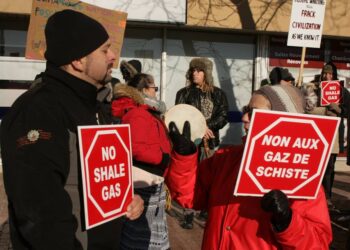
Biased survey on lifting the shale gas moratorium

November 3, 2026

On October 7, as part of its public review of lifting the shale gas moratorium, the government launched a survey...

Academic freedom in danger, scholar cautions
Education

Academic freedom in danger, scholar cautions

October 15, 2026

There is an increasing disparity between university’s academic freedom statements and its actions. These comments were made during a talk...

Gender

Faculty and students call for action on campus sexual violence

October 9, 2026

To the University of New Brunswick and wider communities, We are writing as faculty members in Gender and Women Studies,...

Load More

Recommended

Cornell, Gilead et la banalisation du pouvoir

Cornell, Gilead et la banalisation du pouvoir

4 days ago
‘No cheque is worth giving a kid cancer’: Fredericton doctor urges province to keep fracking moratorium

‘No cheque is worth giving a kid cancer’: Fredericton doctor urges province to keep fracking moratorium

5 days ago
How is menstrual health an environmental issue? Menstrual Health Society talks periods and the planet

How is menstrual health an environmental issue? Menstrual Health Society talks periods and the planet

6 days ago

Photos: Tens of thousands of tents flooded as rain hits Gaza displacement camps

5 days ago
NB Media Co-op

© 2019 NB Media Co-op. All rights reserved.

Navigate Site

  • About
  • Join the Co-op / Donate
  • Contact
  • Share a Story
  • Calendar
  • Archives

Follow Us

No Result
View All Result
  • About
  • Join the Co-op / Donate
  • Contact
  • Events
  • Share a Story
  • NB POD
  • COVID-19
  • Videos
  • New Brunswick
  • Canada
  • World
  • Arts & Culture
  • Environment
  • Indigenous
  • Labour
  • Politics
  • Rural

© 2019 NB Media Co-op. All rights reserved.

X
Did you like this article? Support the NB Media Co-op! Vous avez aimé cet article ? Soutenez la Coop Média NB !
Join/Donate