Freebirth, the term used to describe birth practices that take place outside of hospitals and without the assistance of recognized medical professionals, has recently gained significant media and pop-culture attention, most prominently via an investigative journalism series in The Guardian. The perceived increase in freebirth has re-ignited longstanding debates about medical intervention and autonomy in pregnancy and childbirth.
Although rarely featured in media commentary, New Brunswick has been a key site for the recent rise in the international influencer-led, do-it-yourself freebirth movement, and one of the co-founders of the international Free Birth Society provided birth care in this province for many years. The recent interest in freebirth – and its strong connections to the region – can only be understood in the context of ongoing systemic gaps in the provision of reproductive health care in the region. Sensationalist media reporting misses this context, and places blame on birthing people rather than examining the policy contexts in which people make decisions about birth care.
As researchers focused on different facets of birth care in the region, we have followed recent media coverage with interest and some alarm. Sensationalist reporting has centered on the influencer-led Free Birth Society (FBS), its cult-like online community, its leaders and their dissemination of disinformation, and the deaths of babies during labour. The Guardian series sparked keen public interest and conversation with reportage in other news outlets including the CBC, and a plot line in an episode of The Pitt (Season 2, Episode 15). This coverage tends to represent those seeking freebirth either as irresponsible and uninformed, or as dupes of malicious actors. But recent research demonstrates that motivations for choosing freebirth are varied, including prior birth trauma, lack of access to a regulated homebirth practitioner such as a registered midwife, and a desire to avoid medical intervention (additional research here and here). While lack of information and inappropriate guidance are also factors, in making sense of the growth of freebirth we begin from the understanding that birthing people are seeking information, control, and relational support in a context in which reproductive health care – perhaps especially around birth – has become a contested site.
While there may appear to be overlap between freebirth and Indigenous community-based birth practices, we see Indigenous movements to return birth to community as distinct. A thorough treatment exceeds our current scope and space, but we recognize that Indigenous birth practices throughout the region hold political, cultural, and medical significance and are important to understanding the complexity of birth policy and practice.
Freebirth in New Brunswick
It’s easy to see how the lack of options for supportive homebirth has led to growing interest in freebirth in New Brunswick, as LeBlanc and Kornelsen first argued in the Canadian Journal of Midwifery Research and Practice in 2015. When systems fail to meet their needs, people find other options. And options for home birth in New Brunswick have been, and remain, highly limited.
Prior to the establishment of the single midwifery program in Fredericton in 2018, those interested in homebirth worked in small grassroots networks, finding ways to support birth at home, sometimes with lay or community midwives. It is in this context that Yolande Norris-Clark, later co-founder of the FBS, began to provide birth care education and homebirth support near Fredericton.
Following years of sustained lobbying for regulated midwifery, the first Midwifery Act in New Brunswick took force in 2008. In the years between the legislation and the opening of the first midwifery practice in the province, homebirth was largely unavailable, including via these informal grassroots networks as those willing to provide homebased birth care were pushed further into the shadows. In such a context, it is perhaps not surprising that freebirth practices grew and that freebirth practitioners like Norris-Clark were increasingly vocal in their opposition to the implementation of regulated midwifery.
Interest in freebirth grew again during the COVID pandemic, because of stringent hospital visitor policies and the marked ascendance of online wellness influencer culture. It is no accident that Yolande Norris-Clark was at the forefront of that renewed interest (see Butler and Dickson). As we have argued in a recent article for Atlantis, freebirth entrepreneurs, like the founders of the FBS, often exploit health mis/disinformation to build followers and make significant money. But they are especially effective at doing so in contexts, like New Brunswick, where there are few other forms of supportive pregnancy and birth care in the public health care system.
Midwifery in Atlantic Canada
In Atlantic Canada, most births are attended by physicians, often obstetricians who are surgical specialists. Regulated midwives are autonomous health professionals offering specialized pregnancy and birth care, and attending births in homes, hospitals and (where they exist) birth centres. In Canada, regulated midwives are typically the only way to access homebirth within the health care system.
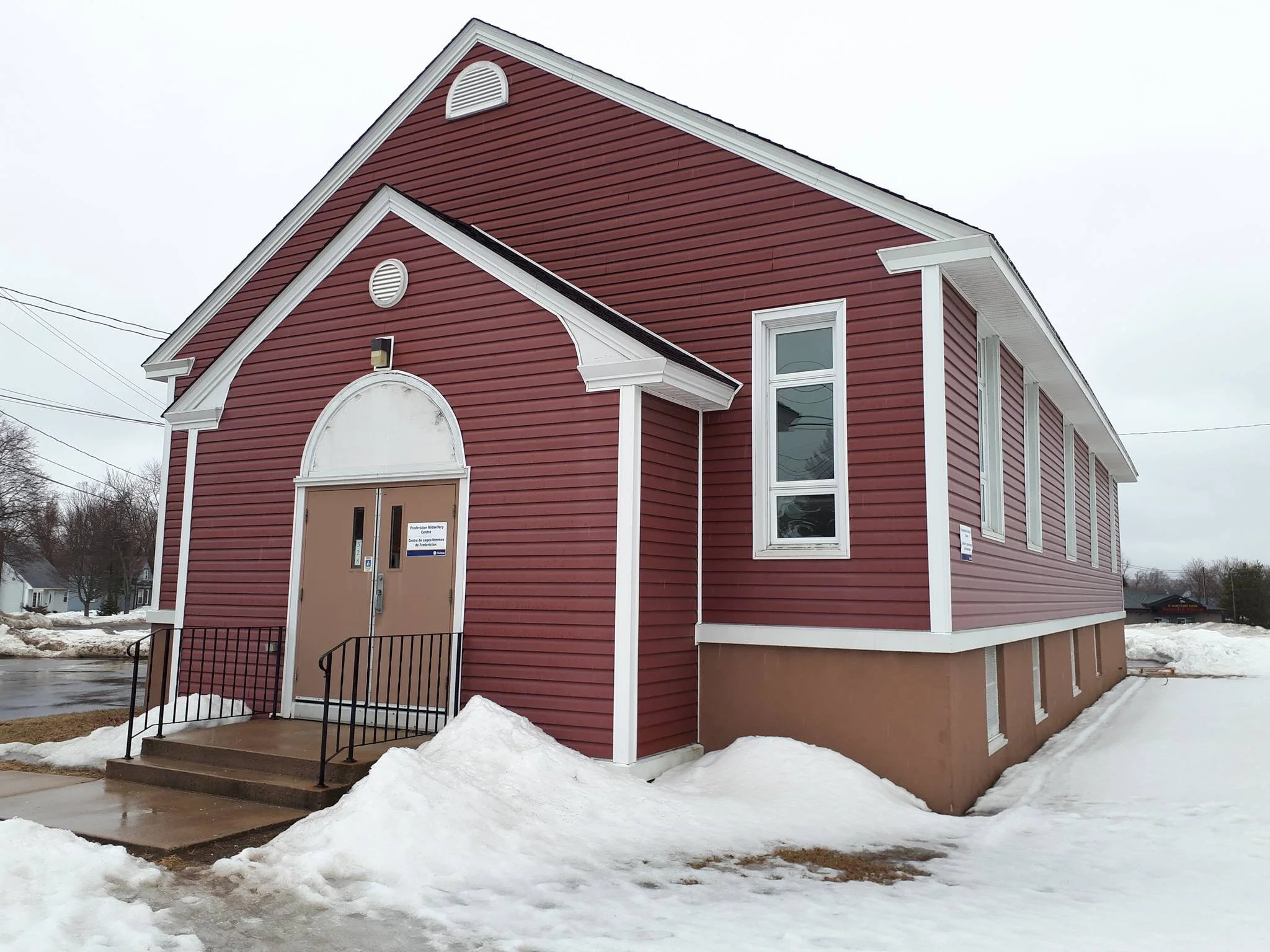
While midwifery is now regulated throughout the Atlantic region, it continues to suffer from a lack of investment. In New Brunswick, homebirth with a registered midwife is constrained by the geographic catchment limitations of the single midwifery clinic in Fredericton and by challenges in maintaining its staffing allotment of four registered midwives for the province. Due to such limitations, only one to five per cent of births in this region are attended by midwives, compared to provinces with earlier regulation and more midwives, where up to 30 per cent of births are midwife-assisted, according to the Canadian Association of Midwives.
Thus, while the rollout of midwifery is to be celebrated, most people in New Brunswick, and across the Atlantic region, still do not have access to midwifery care nor to trained and regulated homebirth care providers.
Recommendations
There is complexity behind the increased interest in freebirth, as well as behind the birth decisions of any pregnant person. While medical mis/disinformation certainly needs to be addressed, the following policy interventions are also urgently needed to address gaps in the provision of care across the Atlantic region:
- Support midwifery, including Indigenous midwifery– Political support and investment in regulated midwifery, including a midwifery education program, is long overdue and necessary for a rapid scale-up of midwifery.
- Allow midwives to practice to their full scope and competence so they can work as primary reproductive care providers. The potential for a broader scope of practice for midwives outside of pregnancy, birth, and the immediate post-partum period is largely unrealized in New Brunswick and other Atlantic provinces. Recent changes in Nova Scotia and New Brunswick will expand scope, but without an increase in resources and programs, this will have limited impact.
- Continue to improve health care practices that prioritize patient autonomy in birth and that reduce dated practices such as those discouraging active birthing positions or multiple birth support people.
- Improve patient-centred respectful care, including respectful integration into hospitals of midwifery care and for those who have had out of system birth or pregnancy experiences. Doing so represents an opportunity to serve people who may be highly fearful of or skeptical about the mainstream health system to safe, high-quality care. This is a valuable investment in public health and future safety.
- Shift the media focus. While salacious and dramatic stories get views, the media framing of freebirth is neither accurate nor helpful as it depicts those opting for freebirth as dupes of malicious actors without considering the structural constraints on access to support for pregnancy and birth care.
Reasons for birthing outside of a hospital are complex. Sometimes birthing outside of a hospital is a preference, and sometimes it is experienced as a necessity. At the same time, while birth is often medically uncomplicated, when complications do arise, access to intervention can be urgent. Constraints on choice and autonomy within the health care system, including the lack of in-system homebirth, contribute to people seeking out-of-system options, including freebirth. The real story is governments’ ongoing inaction in addressing the overlapping systemic failures to support pregnant and birthing people within health care systems and more broadly.
About the Birth Justice Research Initiative
The Birth Justice Research Initiative investigates issues of access to inclusive pregnancy and birth services in the province of New Brunswick and across the Atlantic region. We are committed to inclusive reproductive health care which includes access to abortion, gender affirming care, and culturally appropriate care for all. We are based out of Mount Allison University in Sackville, New Brunswick, in Mi’kma’ki. Members of the BJRI are Katherine Dunbar, Krista Johnston, Christiana MacDougall, Sarah Rudrum, and Marsha Vicaire. Visit our website to learn more about our work: www.bjri.ca.
Krista Johnston is Associate Professor of Feminist and Gender Studies and Canadian Studies at Mount Allison University. Christiana MacDougall is an Associate Professor of Sociology and Feminist and Gender Studies at Mount Allison University. Sarah Rudrum is a Professor of Sociology at Acadia University.
![Tour brings reproductive rights activists from around the world to New Brunswick [video]](https://nbmediacoop.org/wp-content/uploads/2024/10/InterparesEdit-350x250.jpg)