
On Nov. 25, 2025, Brunswick News published a news story announcing the launch of the Atlantic Economic Panel. It features seven appointed panelists, six from the private sector and one trade oriented First Nation Chief.
Panel members include Don Mills as chair, co-founder of Halifax-based polling firm Narrative Research; Scott McCain, Chairman of McCain Foods; Pabineau First Nation Chief Terry Richardson; Mike Cassidy, CEO of the Cassidy Group, owner of Coach Atlantic; Cathy Bennett, co-founder of Sandpiper Ventures in Newfoundland; Joyce Carter, president and CEO of Halifax International Airport Authority; and Anne Whelan, lead director of the Bank of Canada.
This panel will be hindered by a significant oversight. No environmental steward was chosen as representative. The news story fails to say how the economy is expected to flourish without considering the impact that greenhouse gas-emitting projects will have on the climate and the natural world, but that this initiative appears to be taking for granted.
Today, a sustainable economy necessitates consideration of the following concerns.
The International Court of Justice in the Hague issued its Advisory Opinion on July 23, 2025. The UN’s principal judicial body ruled that states have an obligation to protect the environment from greenhouse gas emissions and to act with due diligence and cooperation to fulfill this obligation. This includes the obligation under the 2015 Paris Agreement on climate change signed by Canada to limit global warming to 1.5° Celsius above pre-industrial levels, which was reached in 2024. The Court grounded part of this legal obligation in the international treaties on human rights that recognize the right to a healthy environment as a human right. Consequently, to prevent global warming from exceeding 1.5º Celsius, no new greenhouse gas-emitting plants should now be built.
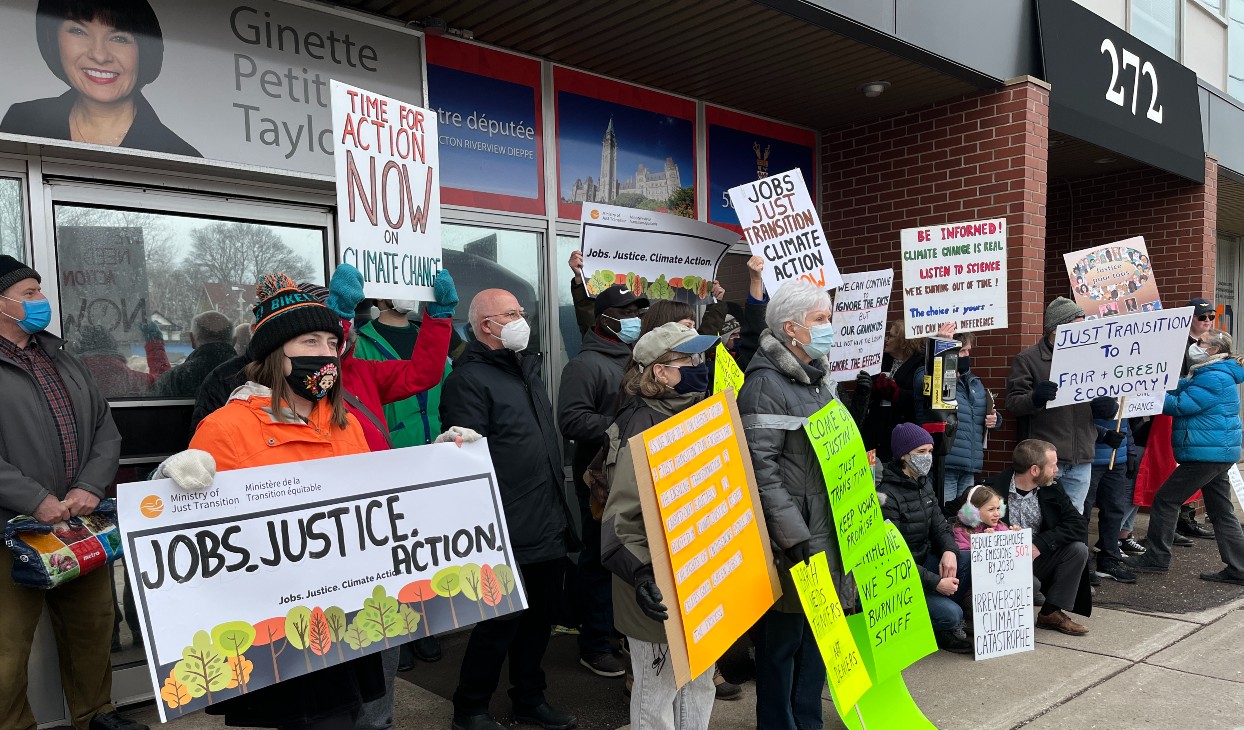
Prime Minister Carney’s desire to fast-track ‘nation building projects’ increases project risk if they fail to include their impact on the climate and environment. It also violates the rights of Indigenous people to free, prior and informed consent under the United Nations Declaration on the Rights of Indigenous Peoples that Canada signed into law in 2021.
The public is becoming increasingly alarmed by the growing number of news reports of wildfires producing smoke hazardous to health, floods, extreme weather events and sea-level rise. Climate-induced disasters are impacting the well-being of the public, and the hoped-for economic prosperity the Atlantic Economic Panel is expected to create.
The Atlantic Economic Panel was granted “a clear mandate to provide a one-time report, focused on practical steps to grow jobs, raise productivity, support small and medium-sized businesses, and strengthen communities.” It is expected to secure long-term prosperity for the region as well. However, this and other mandates by the Carney government are lacking the critical advice from climate experts who can save developers valuable time and expense by planning holistically for a pragmatic business future; this oversight needs correcting.
An environmental expert is lacking from the Atlantic Economic Panel. Business and environmental experts must work in concert to safeguard a sustainable economic future for present and future generations – and for nature.
Sam Arnold is with the Sustainable Energy Group – Carleton and a member of the Coalition for Responsible Energy Development in New Brunswick. A version of this article was first published by Telegraph Journal on December 15, 2025.

![Proposal for gas-fired power plant in Tantramar lacks transparency, says veteran journalist [video]](https://nbmediacoop.org/wp-content/uploads/2025/09/Screenshot-2025-09-04-at-17.47.39-350x250.jpg)



![Proposal for gas-fired power plant in Tantramar lacks transparency, says veteran journalist [video]](https://nbmediacoop.org/wp-content/uploads/2025/09/Screenshot-2025-09-04-at-17.47.39-120x86.jpg)
