A consistent problem for people with or without disabilities is getting properly accommodated in the workforce. As a society, we need to address this fundamental disability justice and human rights issue.
People with or without disabilities may need work accommodations to be successful at their job. Employers have an obligation to accommodate their employees reasonably, however, many people in the workforce struggle to receive adequate accommodations.
What exactly are accommodations? In the workplace, accommodations are generally put in place by an employer. According to the Government of Canada, an employer has a duty to accommodate an employee with accessibility needs unless there is evidence of undue hardship for the employer. Some examples include more frequent breaks with proper rest periods, flexible work hours, or the ability to work from home because they have an autoimmune condition or light sensitivity.
In New Brunswick, three pieces of legislation have something to say about duty to accommodate in the workplace. The province’s Human Rights Act obligates employers to make reasonable accommodations, such as flexible hours, modified duties, or accessible facilities for employees needing support, up to the point of “undue hardship” (e.g., significant cost or health/safety risk).
With regards to training, it is important to remember everyone learns differently. It’s crucial to take the time to learn the way someone learns. Someone may have a learning disability and not even be aware of it. While I had accommodations in school, I would have benefited from other kinds of accommodations had I received a diagnosis before I graduated high school in 2009.
People may have an invisible disability, such as an episodic disability due to mental illness. Depression or anxiety are examples of invisible disabilities. Nobody is required to disclose their disability to their employer, or to their friends. Disclosing having a disability is an individual choice. I use a manual wheelchair for mobility, so some of my physical challenges are apparent while others are not.
Many people are hesitant to disclose their conditions because they may have fears of discrimination or judgment. There are many misconceptions about people with disabilities in the workforce; employers may misunderstand certain people, considering them rude or not friendly when it may be something entirely unrelated to personality.
For employers wanting to make their workplaces more accessible, there are many grants available to accommodate employee needs, such as assistive technology, or installing an automatic door in the workplace. Everyone can benefit from buildings with equitable access.
Everyone has a unique perspective based on their lived experience or knowledge. There are many incentives for employers to hire a diverse team. There may be a financial incentive, or perhaps just a moral one.
All most people want is to be equally included in society and be treated with respect without discrimination. There is much work to be done to achieve this. Some policies put in place by employers create unnecessary barriers for their employees. One example is getting a doctor’s note while having a disability since it can be difficult, especially for those with disabilities that limit or restrict travel, to get this physical document. It also places unnecessary stress onto the health care system that is already operating at critical limits when someone with a disability needs to get a note for issues that may not be uncommon for them to experience.
If COVID-19 has taught me anything positive, it is that more out-of-the box thinking needs to be normalized. Working from home and virtual appointments should be embraced, that way everyone in society can be included whether they have the ability for transport or not. COVID-19 gave people a glimpse into the lives of what it was like for someone with a disability to have barriers such as transportation, or social situations where we were not allowed to be close to someone and hug them for fear of passing the virus. Many people with disabilities can relate to this. I am an extremely social person, but I do value my personal space. I am sick currently and I have not left the house, but technology has allowed me to gather with loved ones safely
It is extremely important to me that all levels of government – federal, provincial, and municipal – keep online options available so everyone can participate in society. If I want to go see a friend in person, I can do that, but if I don’t feel well, I can meet them online, without feeling excluded. Everyone has individualized needs, and their needs should be respected. It is important to recognize that you know your body best.
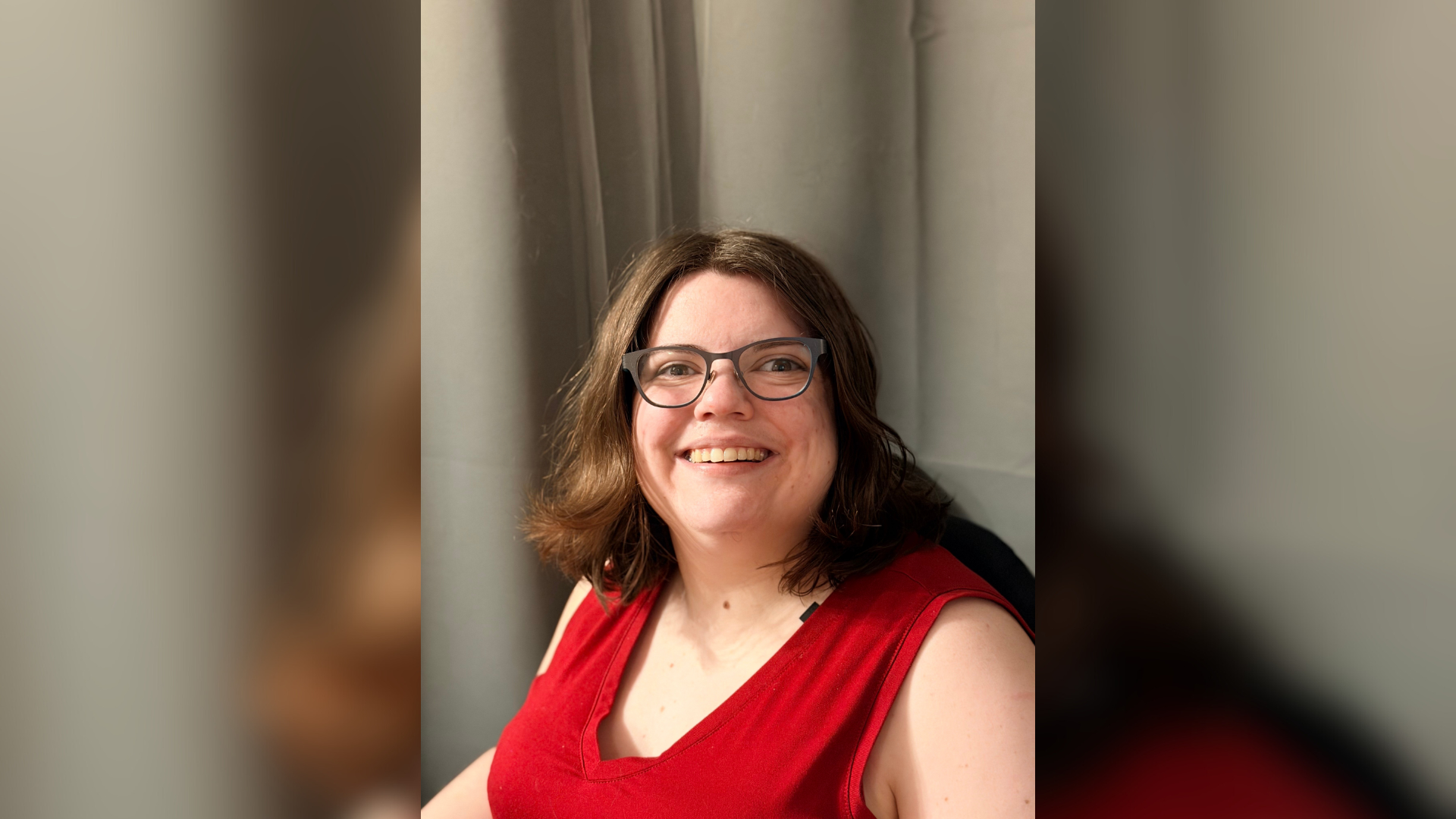
Kaitlyn Massey is a disability rights advocate in New Brunswick.

![NB Update: What comes after the crisis in local journalism? [video]](https://nbmediacoop.org/wp-content/uploads/2025/06/LabourUpdateApr132025-350x250.jpg)