![Science exhibition showcases students’ creativity amid wreckage in Gaza [photos]](https://nbmediacoop.org/wp-content/uploads/2026/09/PulseofScienceAug252026-1.jpg)
Editor’s note: The author of this article is a Palestinian student in the Gaza Strip whose surname we are withholding, along with others named in this story, due to concerns about their safety. Baraa has been accepted into a graduate program at the University of New Brunswick, but has so far been unable to leave the Gaza Strip to begin his studies — click here to read the NB Media Co-op’s latest article documenting that story. However, the obstacles that Baraa has faced are not the focus of this article.
Instead, this article highlights the creativity, determination, and achievements of students at a school where he volunteers in al-Mawasi, the site of a displacement camp west of Khan Younis. They have managed to create something inspiring despite conditions of extreme hardship. Israeli attacks continue in Gaza, almost 11 months after the so-called ceasefire came into effect, while students return to school in Palestine and here in Canada.
A science exhibition that took place on Aug. 18 was one of the most beautiful events I have been part of this year in Gaza, especially in light of the current military conflict and destruction.
The event took place at Alanqaa School, one of the first schools established during the current conflict, which has involved the destruction of the education system. The school has been accredited by UNICEF, and includes more than 3,000 students. The idea for the exhibition came from the students themselves. They wanted to create a space where they could present their scientific ideas and creativity, despite the severe shortage of materials and resources available under the current circumstances.
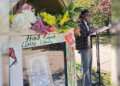
Images from the Pulse of Science exhibition in al-Mawasi displacement camp, Gaza, on Aug. 18, 2026. Photos by Baraa:


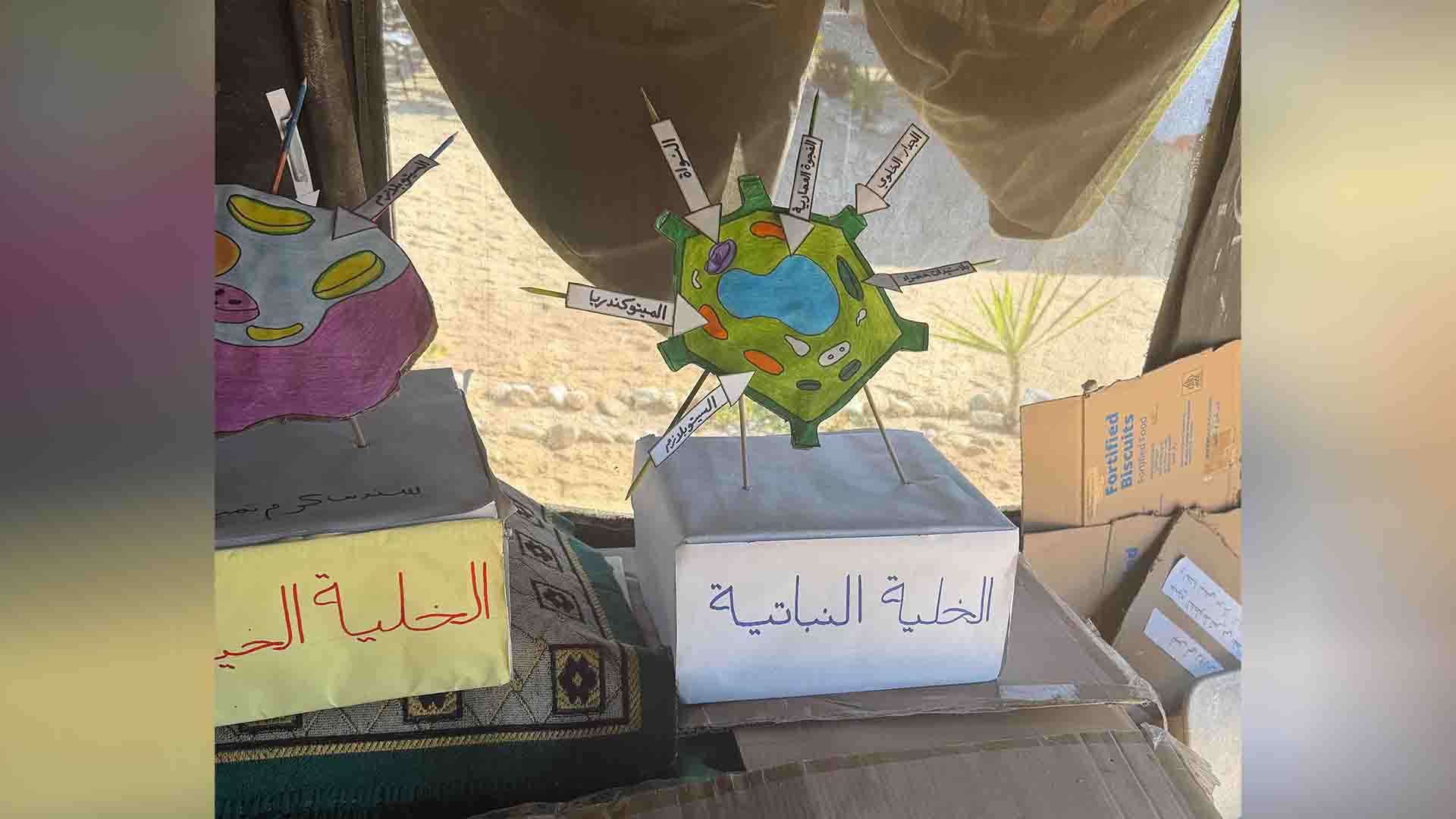


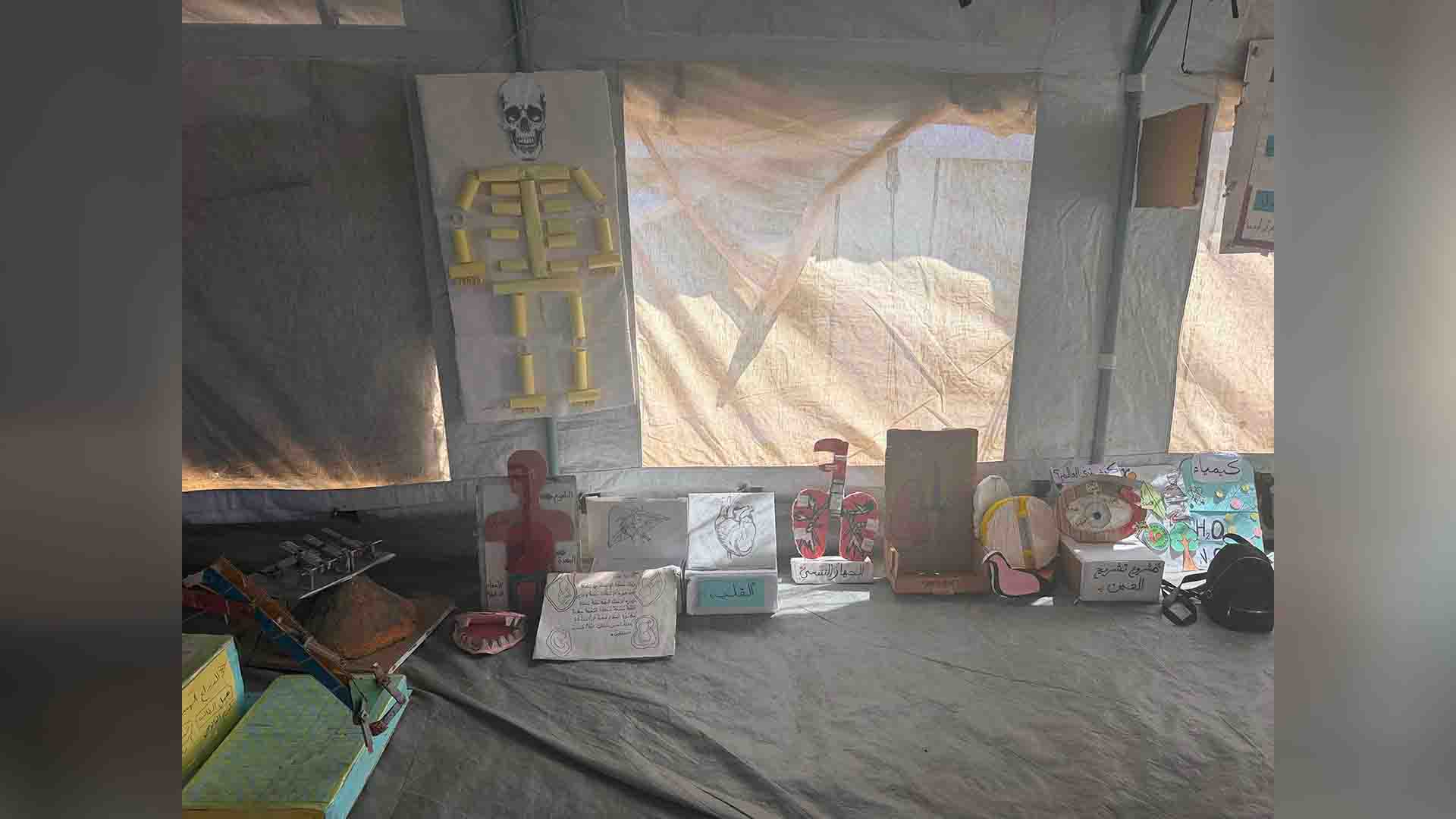
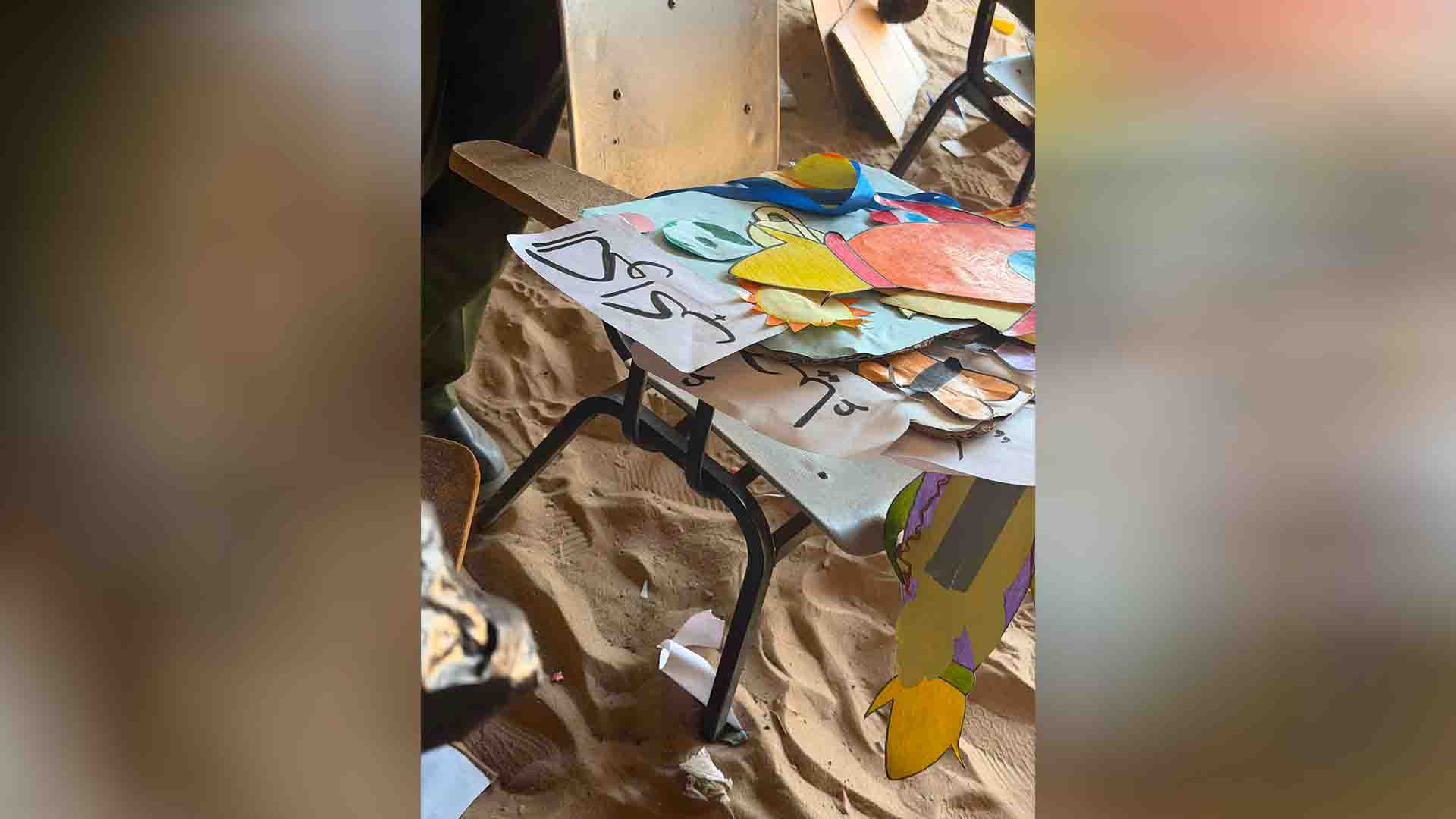


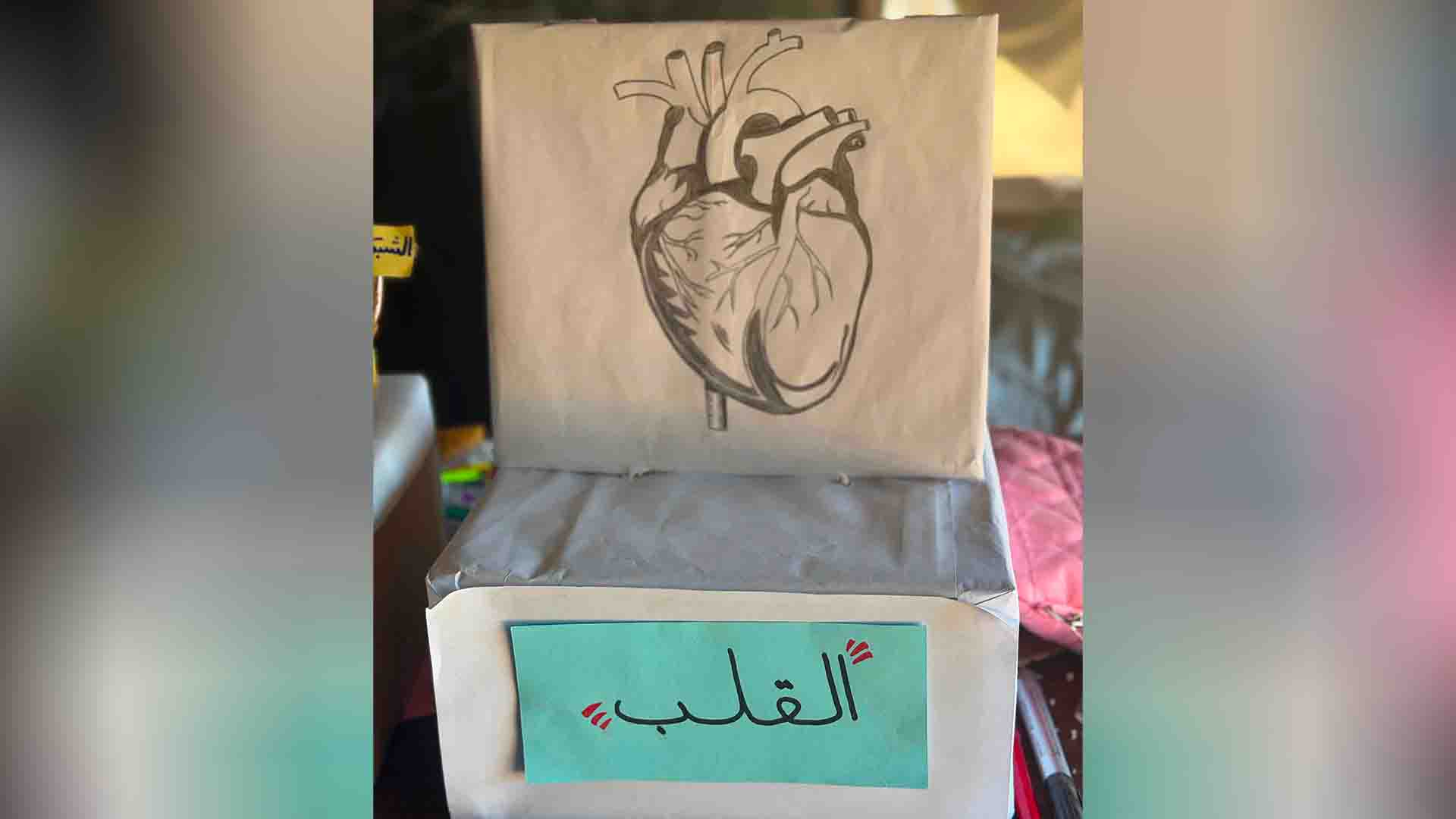

It was the students who proposed the name “Pulse of Science.” I supervised their work with another teacher known as Ms. Wegdan, who played an essential role throughout the project. The students worked for nearly two months to create scientific models, experiments, and interactive displays based on concepts from their curriculum. Their work included models of cells and DNA, a two-pan balance, models demonstrating polymerization in chemistry, models related to healthy and unhealthy foods, and scientific brochures.
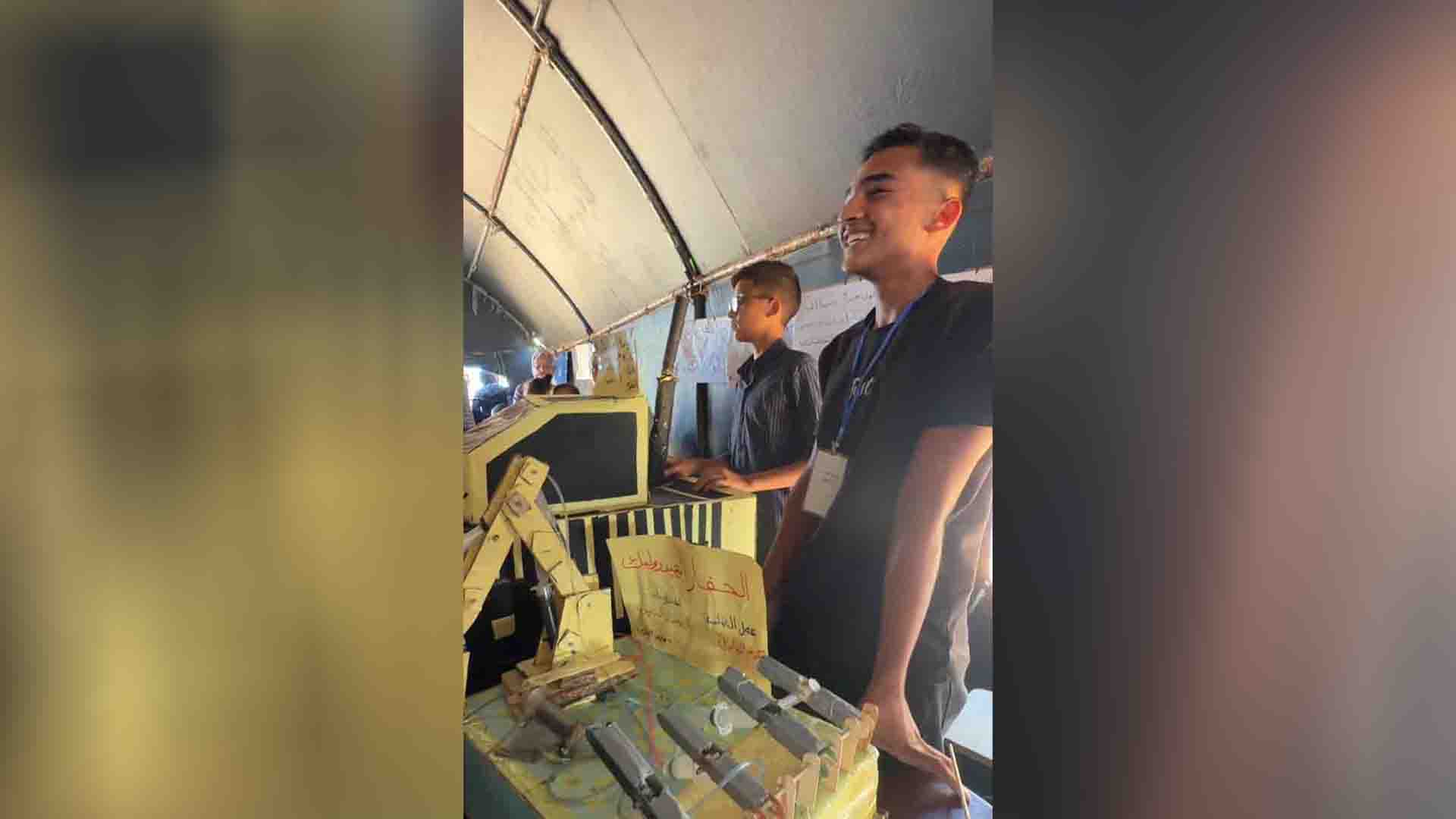
The Physics Corner was led by Karam and Akram. This was a great example of how the students transformed concepts from their curriculum into practical models. There were several exhibits based on Pascal’s principle, including models of a hydraulic excavator and a hydraulic arm, both demonstrating something something tangible and functional, the practical applications of this scientific principle.
The exhibition also included a dedicated Technology Corner, which I personally supervised. The section was led by Sara, a student with a strong passion for technology, who developed an idea under the title “Behind the Wall of Awareness.”
Her project was designed as an interactive PowerPoint experience consisting of five different stations, featuring puzzles, questions, and direct interaction with visitors. For example, the first station explored memory and cognitive illusions, presenting visitors with a series of images and challenges, before explaining the underlying scientific phenomena. Other stations explored visual illusions, prejudice and first impressions, and several other thought-provoking topics.
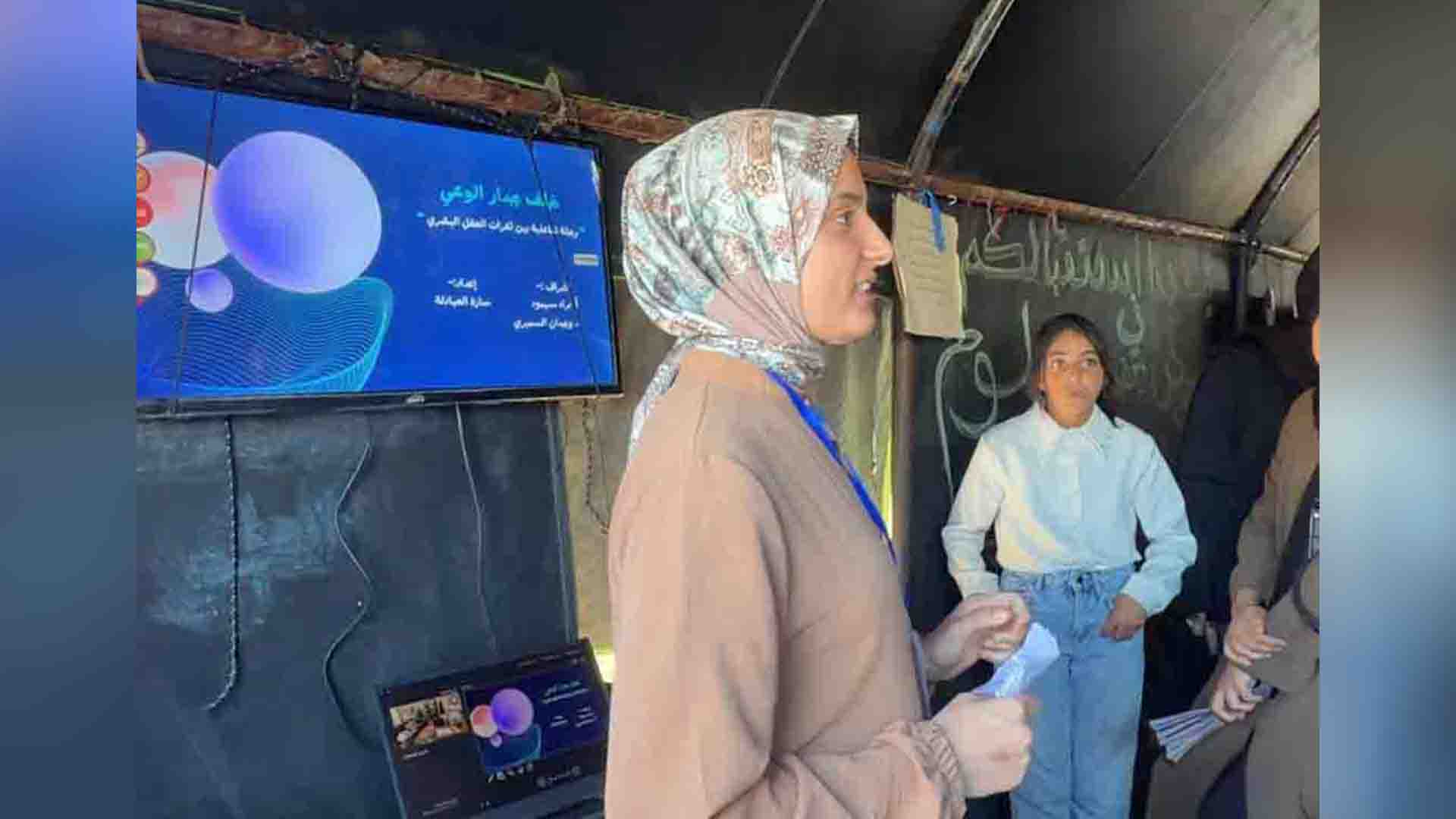
This project stood out because it went beyond simply presenting scientific information. It invited visitors to question their own perception, participate in the experience, and discover how easily the human mind can be influenced.
The Biology Corner was led by Asal. She and the students working with her created highly detailed models representing human cells, down to very fine details. Asal was also able to explain the different parts of the models and their functions from memory, despite her young age.

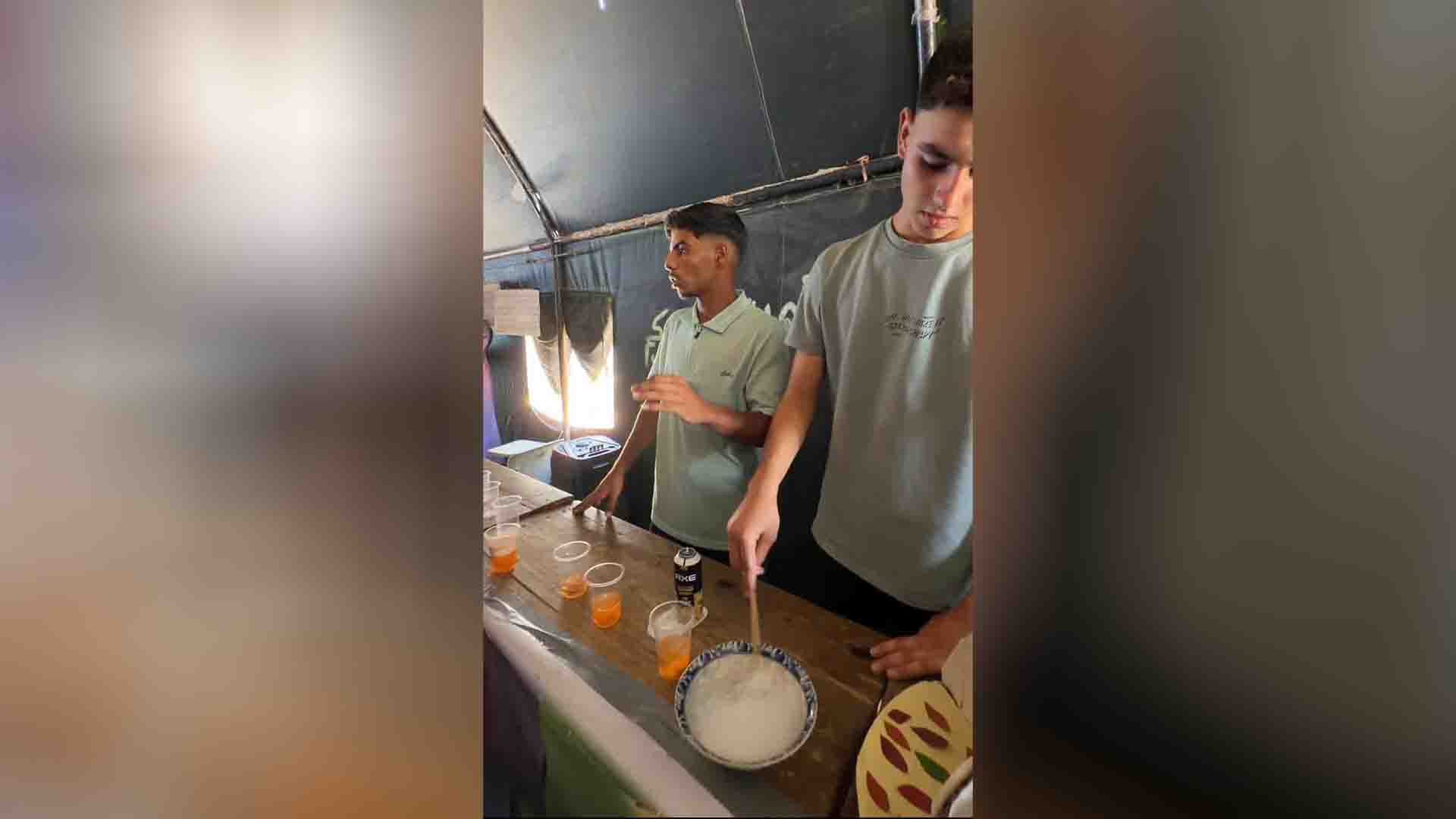
The Chemistry Corner was led by Ahmad and Yamen. What made their work particularly impressive was their ability to create engaging experiments using materials that were readily available to them.
In one experiment, they inflated a balloon using only a bottle, some water, and baking soda. In another, they created colourful bubbles using oil, water and effervescent tablets. Those are just two examples that show how they allowed visitors to see scientific principles in action.
Beyond these projects, the exhibition included many other scientific models and activities. It was organized inside a large tent divided into several sections, including biology, organic chemistry, scientific brochures, visual physics, technology, chemistry and experiments, practical physics, and health.
What made the entire exhibition particularly meaningful was that the students developed and built these projects despite a severe lack of resources.
It received an extremely positive response from parents, visitors, and university academics. Several professors who attended were impressed by the students’ creativity and by what they were able to accomplish.
For us, it was an attempt to give these young students the opportunity to become creators of knowledge, rather than simply recipients of it. They proposed ideas and ultimately took responsibility for presenting their work to the public.
Underpinning everything were the older students, who were responsible for their respective sections, overseeing the work of the younger children.
These senior students, listed in alphabetical order, gave their time, creativity, and energy to every corner of the exhibition: Ahmad, Akram, Asal, Karam, Marah, Maria, Mayar, Raghad, Rahaf, Sara A., Sara F., Sondos, and Yamen.
Their names represent the effort, curiosity, and tenacity that brought these exhibition to life despite the extreme circumstances of life in the Gaza Strip.

Baraa is a Palestinian scholar and educator living in Gaza.