Since it’s election time in Sitansisk (St. Mary’s First Nation), I want to get a few things off my chest. I’m going to say something that I know some people may not want to hear. But somebody needs to say it.
The Marshall decisions recognized our treaty right to hunt, fish and gather in pursuit of a moderate livelihood. The Supreme Court recognized that these rights come from the Peace and Friendship Treaties. Department of Fisheries and Oceans (DFO) itself acknowledges this. So why does it feel like, every time our people try to exercise those rights, we are handed another agreement, another restriction, another condition, another limit and told this is what we have to accept if we want to fish? At what point did exercising our treaty rights become something we need permission for?
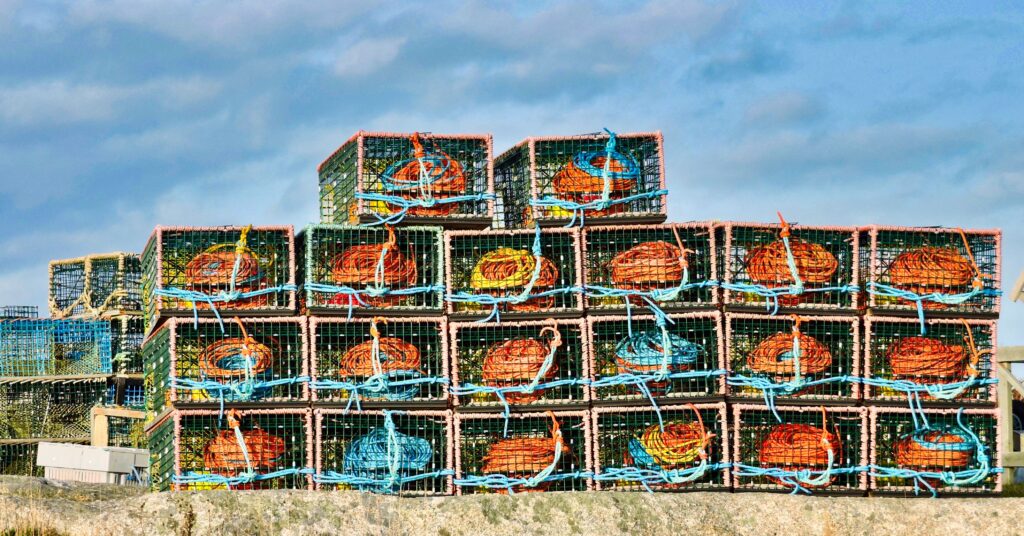
Look at what is happening with the lobster fishery. St Mary’s lobster tags were supposed to be issued June 30. We didn’t receive them until August 25. The holding tags were also supposed to be available June 30 and they still aren’t in. Meanwhile, our community has an agreement in place that governs the fishery. The lobster document itself is for a food, social and ceremonial fishery, with specific conditions around tags, gear, areas, catch, reporting and other requirements.
I understand conservation. I understand safety. I understand that fisheries need management.
But there is a huge difference between responsible management and creating so many restrictions that our people can barely exercise the rights we’re supposedly being protected under.
DFO itself says food, social and ceremonial fishing is a communal right and that conditions can include species, amounts, areas, gear and timing.
So I have a question for our leadership. Where is our moderate livelihood in all of this?
Because from where I’m standing, it feels like we fought so hard for recognition of our rights just to take ten steps backwards.
And this isn’t only about lobster.
Look at the elver fishery. I personally got caught with 1.3 kg of eels and got in trouble over the extra 0.3 kg because St. Mary’s had agreed to a 1 kg per 24 hour limit. Then we turn around and wonder why St. Mary’s can’t fill their quota.
How are people supposed to build a livelihood when the rules being negotiated make it incredibly difficult to actually harvest enough to make that livelihood possible? This is why people are frustrated!
It feels like the system is designed in a way where we can barely succeed but if we accidentally step outside the restrictions that have been put on us, we’re the ones who face enforcement.
And that’s exactly why people need to start asking questions about these agreements.
Who negotiated them? What exactly did we agree to? What rights are being exercised? What restrictions were accepted? What happens to our rights if we don’t agree? Were the people of St. Mary’s actually given a meaningful voice before these decisions were made on behalf of our community?
Because when Chief and Council sign agreements concerning our communal fisheries, those decisions affect all of us. And I don’t believe our people should have to blindly accept that because someone sitting at a table signed something.
Our rights belong to our people.
Our leaders are supposed to represent us.. not simply make decisions and expect our community to live with the consequences.
And DFO needs to hear this too.
Stop making access to our rights depend on how much we are willing to give up.
DFO’s own material says the Marshall treaty right was recognized by the Supreme Court, and DFO says its current moderate livelihood initiatives do not define or limit that treaty right. So why are our communities constantly put in the position of negotiating how we are allowed to exercise rights that existed before Canada?
That’s the conversation we need to be having.
And now I’ve heard discussion about potentially putting Indigenous fishers out during the same season as the commercial fishery.
Let’s be very clear. Safety matters!
Our people have experienced racism, intimidation and hostility around Indigenous fishing for generations. DFO’s own reporting on the fisheries acknowledges that tensions have escalated to vandalism, intimidation and bullying of Indigenous harvesters. We have all watched what happened in Nova Scotia during the lobster and elver conflicts.
So if someone is proposing that our people fish during the same season and in the same areas as commercial harvesters, I want to know.
What is the safety plan? Who is protecting our harvesters? What happens when tensions rise? Who is responsible for keeping our people safe?
How does this protect our treaty rights instead of putting our people directly into an environment where conflict has already happened?
I’m not asking for a free for all. I’m not saying conservation doesn’t matter. I’m not saying there shouldn’t be accountability. I’m saying our rights and our safety should both matter. We should not have to choose between exercising our rights and putting ourselves at risk.
And our leadership needs to remember something. We didn’t inherit these rights from Canada.
Canada recognized rights that our ancestors already had. The Marshall decision didn’t create our relationship with the water.
It recognized part of it.
Our people have been fishing these waters since long before DFO existed. So when agreements are signed, when restrictions are accepted, when seasons are changed, when quotas are established and when access is delayed, our community deserves transparency.
We deserve to know exactly what is being negotiated in our name.
We deserve to know why our tags were supposed to be available June 30 but weren’t received until August 25. We deserve answers about the holding tags that are still missing.
We deserve to understand how the elver restrictions are supposed to allow someone to actually pursue a moderate livelihood.
And we deserve to know what our leadership is doing to protect the rights our ancestors fought for.
Because I’m sick of watching our people take one step forward and then get pushed ten steps backwards. Our rights are not permission slips. Our treaty rights are not something to be traded away piece by piece. Our moderate livelihood cannot exist only on paper.
And our leaders need to remember who they are sitting at that table for.
They’re sitting there for us.
For our parents. For our children. For our grandchildren. And for every ancestor who fought to make sure we would still be here still on the water, still harvesting, still connected to our land, and still exercising the rights promised in our treaties.
We need accountability. We need transparency. We need safe access to our fisheries.
We need our rights to mean something in practice! Not just on paper.
You want my vote? Then fight for us.
Nit leyic [May that be the truth.]
Jade Polches is a proud member of the Sitansisk First Nation. This article was first published on Facebook on Sept. 17, 2026.