“I am Wolastoq and Wolastoq is me.”
These were the words Elder Dan Ennis used to begin every ceremony he attended, as recalled by Wolastoqewi Grand Chief Ron Tremblay. It is a simple statement, but one that carries profound meaning: that She — Wolastoq — is not separate from the people, but who they are.
That relationship is not abstract. It is lived — and it is sustained through food, travel, leisure, and more.
In a story shared by Grand Chief Tremblay, he recalls standing as a child beside Wolastoq and Neqot (Tobique River) with his grandfather, who described a time when salmon filled the waters so densely that “you’d hear them before you’d see them…you could actually walk on their backs.” Then he paused and said, “Then those damn dams were built.”
In that moment, a way of life was altered forever.
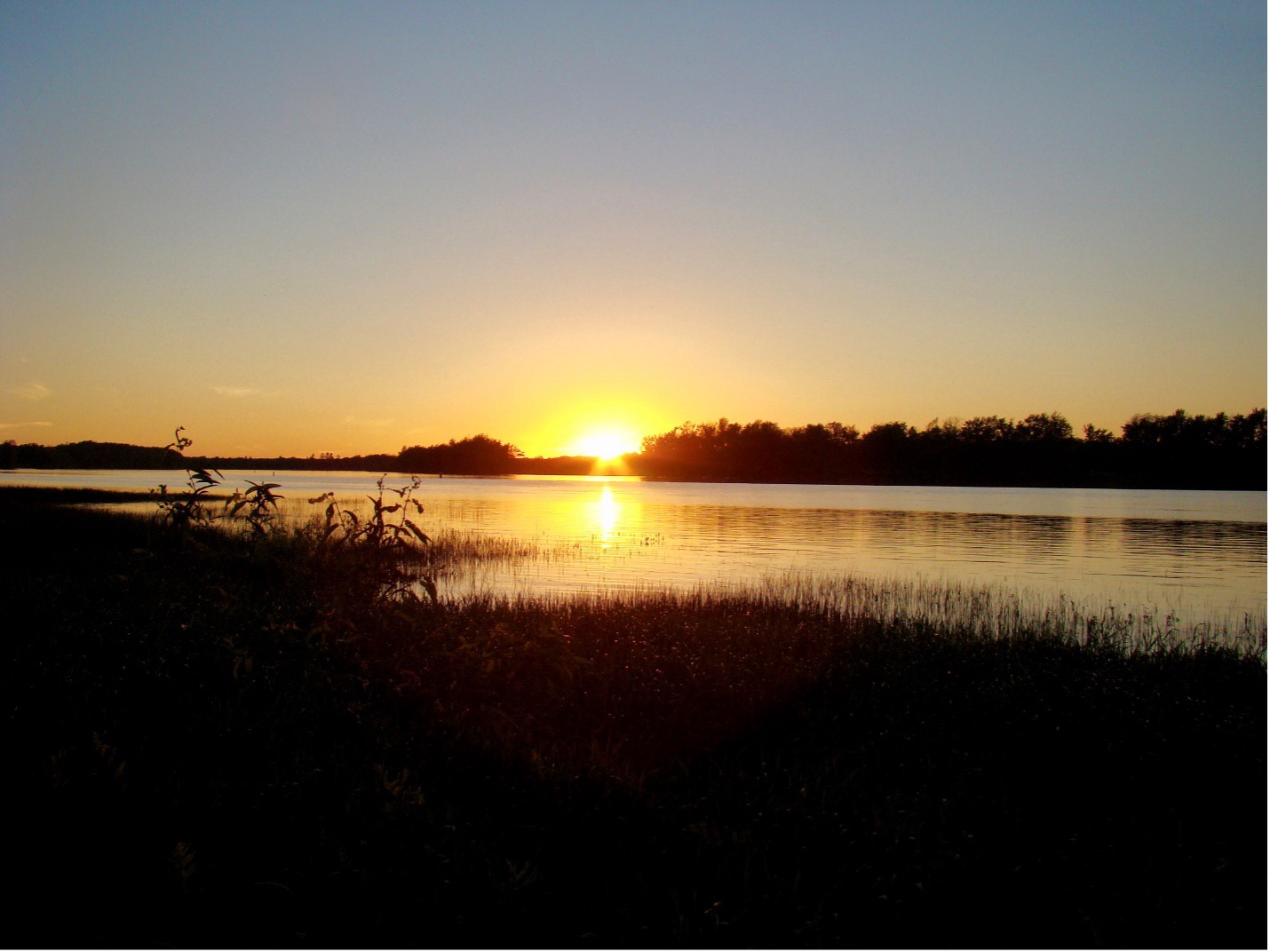
For generations, Wolastoq — the St. John River — was more than a waterway. It was a source of nourishment, a highway, and a living relationship that sustained the Wolastoqewiyik, a place where the People offered gratitude for the Beautiful and Bountiful River. Salmon were not simply a food source; they were part of a system of life that connected people to land, water, and each other.
Today, that system is under growing strain.
This broader context also helps explain the significance of Bill 23, An Act Respecting the Right to a Healthy Environment, which will be voted on by MLAs on March 26.
As discussed in a previous article, the bill would recognize, for the first time in New Brunswick law, a right to a healthy and ecologically balanced environment. Its origins, traced in an earlier piece, lie in longstanding concerns about environmental health—particularly its impacts on children—and efforts to give those concerns meaningful legal effect.
Across New Brunswick, studies conducted in collaboration with First Nations communities reveal a troubling and incomplete picture. In some areas, elevated levels of contaminants — including heavy metals and persistent organic pollutants — have been detected in soils, plants, and traditional foods. In other cases, people have been advised not to consume foods harvested from their own lands, including berries. At the same time, other studies report low contamination levels in certain plants used for food and medicine.
Taken in isolation, these findings may appear contradictory. But together, they tell a different story. Even studies that report low levels of contamination describe their findings as baseline measurements — a starting point for monitoring change as industrial and development pressures increase. The First Nations Food, Nutrition and Environment Study similarly emphasizes the need to establish baseline contaminant levels, highlighting the absence of comprehensive long-term monitoring systems.
The problem, then, is not simply whether contamination exists in any one place. It is that the province lacks a coordinated framework to assess, monitor, and protect the environmental conditions that sustain traditional food systems. In this context, the absence of evidence cannot be taken as evidence of safety. Instead, it reflects uncertainty — communities must navigate in deciding what is safe to eat.
As Elisa Levi observes in her research on Elsipogtog First Nation, food insecurity in Indigenous communities is not driven by a single factor, but by converging conditions. It is shaped by poverty, rising food costs, contamination of traditional food sources, and the erosion of harvesting practices and knowledge. In this context, traditional foods are not simply cultural preferences — they are essential to maintaining food security at the individual, family and community levels. When traditional foods become unsafe, communities are not simply forced to change their diets — they are pushed further into food insecurity.
But what is at stake cannot be reduced to toxicology.
For Indigenous peoples, food is not merely a resource but part of a network of relationships often described as “All my relations.” In Wolastoqey teachings, this is expressed as Psi-te Ntolonapemok — All my relations — grounded in an ethic of interconnectedness known as Nwetapeksi, meaning where my roots are and what I am connected to. These relationships are not passive. They carry responsibilities. The language itself describes humans as Nutankeyutikecik Kihtahkomikumon — caretakers of Earth Mother and all Creation.
This understanding is not only cultural — it is legal.
As Indigenous legal scholar James Youngblood Henderson, who has worked extensively with Mi’kmaw legal traditions, explains in a chapter in Visioning a Mi’kmaw Humanities, Indigenous legal traditions are rooted in covenants that establish relationships between humans and the living world — animals, plants, waters, and the forces of the Earth. These covenants require respect, reciprocity, and the mindful sharing of the gifts of the land. He writes, “everything is alive and is my relation.”
Mi’kmaw legal scholar Tuma Young—a professor at Cape Breton University and former President of the Nova Scotia Barristers’ Society— makes a similar point: Indigenous law emerges from relationships with the ecological world. Ecology, in this sense, is not simply the environment but a network of interconnected life forces.
This relational understanding is also reflected in language. As linguist Robert M. Leavitt, who worked with the Micmac-Maliseet Institute at the University of New Brunswick, has shown, Maliseet and Mi’kmaq languages structure experience in ways that emphasize relationships and processes rather than a collection of fixed objects. They shape how speakers understand time, space, and the natural world, and carry knowledge about how people live with and relate to their environment.
Seen in this light, environmental degradation takes on a different meaning. When contamination renders traditional foods unsafe, it does not simply affect diet or public health. It disrupts relationships at the core of Indigenous life. It interferes with systems of responsibility that predate the Canadian state and continue to shape how communities understand their place in the world.
These relationships are increasingly reflected in Canadian law. In 2021, Parliament enacted the United Nations Declaration on the Rights of Indigenous Peoples Act (SC 2021, c 14), committing Canada to align its laws with the principles of the United Nations Declaration on the Rights of Indigenous Peoples (UNDRIP). Articles 25 and 29 of that Declaration recognize the right of Indigenous peoples to maintain their relationships with lands, waters and resources, and to the conservation and protection of the environment and the productive capacity of those systems — relationships that are essential to the health of both ecosystems and the traditional food systems that depend on them.
If enacted, Bill 23 would move these principles from recognition to implementation in New Brunswick — giving them direct legal effect by creating a justiciable right to a healthy and ecologically balanced environment and requiring that the Act be applied to promote Indigenous rights affirmed in UNDRIP.
This matters not only in legal terms, but in lived experience. When laws treat land and water as resources to be managed, they overlook the relationships that sustain traditional food systems — relationships captured in the principle of “All my relations.” UNDRIP recognizes these connections. Bill 23 begins to reflect them in law. But without stronger grounding in those principles, these relationships risk being acknowledged in theory but not protected in practice.
This is not simply a matter of environmental management — it is a question of whether the law will recognize and protect the relationships that sustain life.
Under the current legal framework, individuals and communities affected by environmental harm must largely rely on tort law — negligence, nuisance or trespass — to seek redress. This approach is reactive. It requires proof of harm after it has occurred and offers remedies typically limited to compensation. It is ill-suited to addressing the cumulative and long-term impacts of environmental degradation on traditional food systems.
Bill 23 points in a different direction. By recognizing a right to a healthy and ecologically balanced environment, it opens the door to preventive action — allowing individuals and communities to seek remedies before harm becomes irreversible. This shift is particularly important as studies establish baseline conditions and uncertainty itself becomes a risk.
At present, Bill 23 stands as the only piece of legislation in New Brunswick that aligns provincial law with the principles reflected in UNDRIP. A decision to reject it would therefore not simply maintain the status quo. It would signal a continued unwillingness to recognize the legal, cultural and ecological relationships Indigenous peoples have long asserted — and that international law now affirms.
At a time when communities are already being advised not to consume foods harvested from their traditionally owned or otherwise occupied lands, the stakes could not be clearer.
The question is whether New Brunswick is prepared to protect those relationships — or abandon them once again.
Jean Louis Deveau recently completed his law degree at the Université de Moncton and writes on environmental and Indigenous law. This piece was reviewed in consultation with Wolastoqewi Grand Chief Ron Tremblay.

![New Brunswick Liberals, Conservatives defeat Green environmental rights bill [video]](https://nbmediacoop.org/wp-content/uploads/2026/03/140903_sl9b4_david-coon-vert_sn1250-350x250.jpg)