The Canadian Nuclear Safety Commission (CNSC) toured the country to hear from Indigenous Nations whose territories are affected by the nuclear industry. What followed was a growing sense of frustration among the Nations involved, as their voices, concerns and rights were not adequately reflected in the CNSC’s account of what it heard.
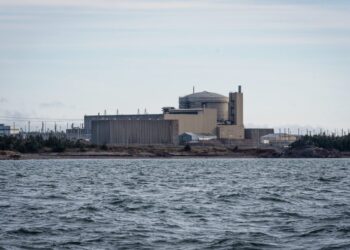
The Point Lepreau Nuclear Generating Station, located on the Bay of Fundy, was built in the homeland of the Peskotomuhkati Nation. The Nation has consistently opposed nuclear development on their territory and maintains that they never consented to Point Lepreau or the radioactive waste associated with it. As plans for further nuclear development emerge, the Nation continues to challenge an expanding nuclear legacy they never agreed to.
In response to gaps in the CNSC’s official account of its Listening Tour, the Peskotomuhkati Nation published a report documenting what its representatives shared with the regulator. The report outlines the Nation’s concerns, including the questions and concerns that remained unanswered, and what the Nation believes must happen next.
Concerns about meaningful engagement
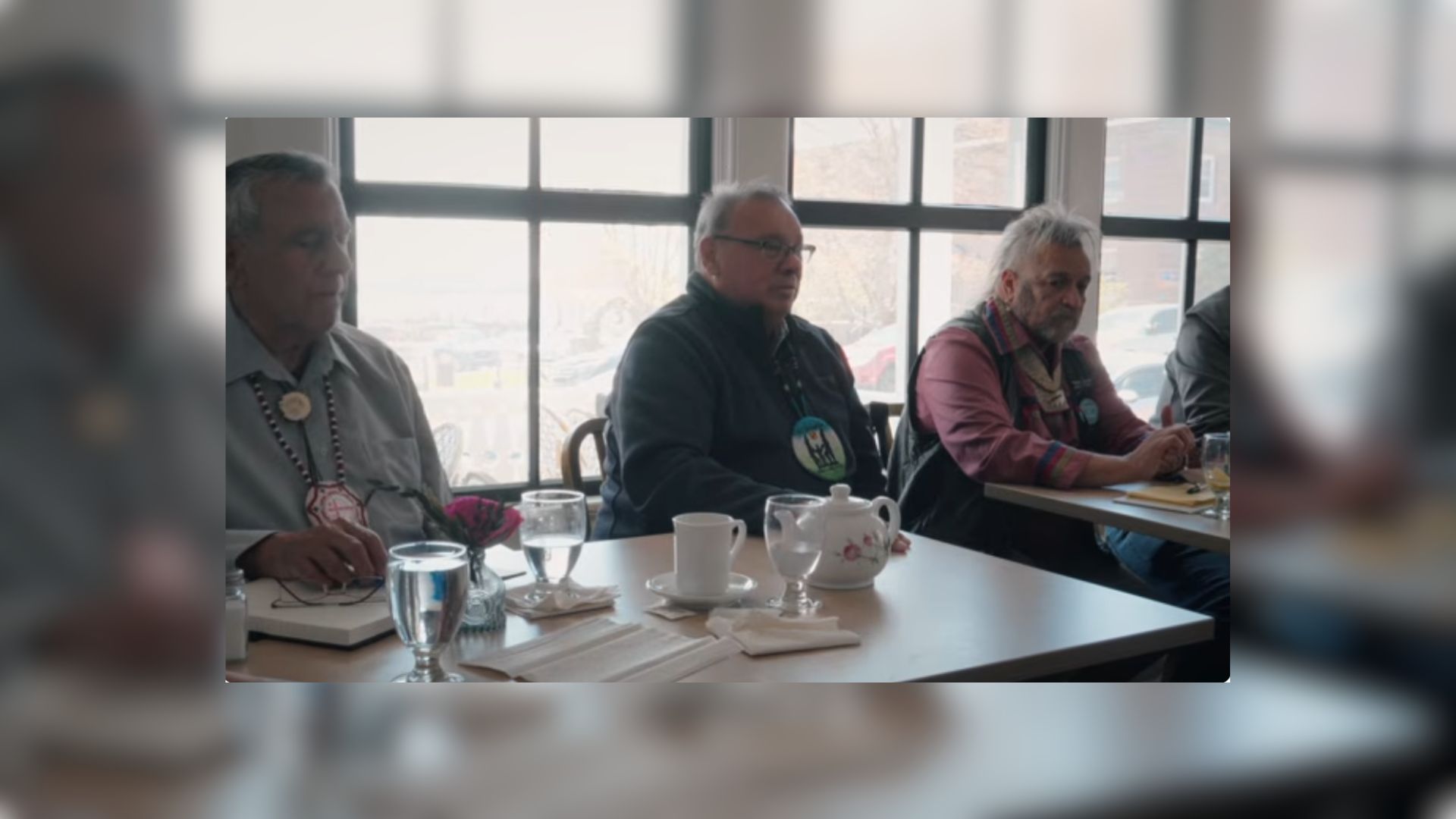
In May 2025, Peskotomuhkati and Wabanaki leaders, Chiefs, Elders and youth gathered in Qonasqamkuk — now called Saint Andrews, New Brunswick — to meet with CNSC staff. According to the Nation’s report, the meeting’s purpose, agenda and plans for future engagement had not been clearly communicated in advance.
Despite the Nation’s significant preparation and investment of time and resources, CNSC leadership was absent. Instead, the staff attending had no authority to address substantive questions about regulatory reform — or even basic questions about Point Lepreau, like how much freshwater the plant uses annually.
Following the Listening Tour, the CNSC published its “What We Learned” report. However, given the contentious discussions during and following the meeting, the CNSC and the Nation were unable to reach an agreement on how the Nation’s perspectives would be represented. As a result, the concerns, positions and perspectives shared during the meeting were not included in the CNSC’s account of what was heard.
For the Nation, this was not simply disappointing. It reinforced a much deeper problem.
Meaningful engagement cannot mean asking Indigenous Nations to give their time, knowledge and energy to a process that has already been designed without them. It cannot mean asking Nations to explain how the regulator should reform its approach while continuing to place the burden of repairing that relationship on the very people who have already carried the consequences of nuclear development.
What the Nation told the CNSC
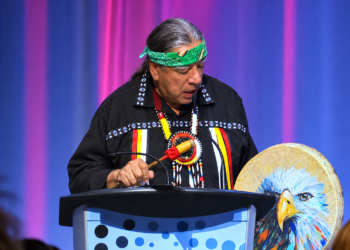
At the meeting, Peskotomuhkati and Wabanaki leaders spoke about Indigenous laws, jurisdiction and responsibilities, as well as their profound and ongoing distrust of the nuclear regulator, the Nation’s right to decision-making and free, prior and informed consent. They underscored concerns about radioactive waste and our collective responsibility to protect water, living beings and generations yet unborn.
William (Eric) Altvater, a member of the Peskotomuhkati Nation, emphasized the Nation’s concerns over nuclear power and its long-term consequences. “The Nation is 100 percent against nuclear and nuclear power generation, and even more than that, the waste that it generates,” said Altvater. He added that the Nation would like to see the Point Lepreau Nuclear Generating Station decommissioned “post-haste.”
That opposition was echoed by fellow Peskotomuhkati Nation member Cynthia Howland. “The general consensus that I’m getting from my Elders, and those whose opinions truly matter to me in my heart and my spirit, is that we truly don’t want this,” Howland said. She also expressed concern about leaving radioactive waste for future generations: “We don’t want that garbage sitting there for our great, great, great, great-grandchildren.”
Despite this, Canada continues to allow radioactive waste to be stored on the territory without the Nation’s consent. The report points directly to Article 29.2 of the United Nations Declaration on the Rights of Indigenous Peoples, which clearly states that Indigenous nations must consent to the storage and disposal of hazardous materials in their territories.
The issue, therefore, goes beyond how nuclear facilities are regulated. It is about who has the authority to make decisions on Indigenous territory — and whether Canada is willing to recognize and respect that authority.
A nuclear legacy without consent
For decades, the Peskotomuhkati Nation has lived with the consequences of nuclear development on their territory. Two of the Nation’s three communities are within 50 kilometres of the Point Lepreau Nuclear Generating Station, making the Peskotomuhkati the only Indigenous Nation with communities in the plant’s immediate vicinity.
The Nation did not consent to Point Lepreau or the radioactive waste that has accumulated there, and they do not consent to further nuclear development on their territory. Their report calls for moving toward the decommissioning of Point Lepreau, reducing reliance on nuclear energy, and leaving uranium in the ground rather than expanding a system that creates radioactive waste requiring management for millennia.
Canada must take responsibility for the nuclear legacy it has created rather than passing it on to future generations.
Wampanoag educator and spiritual leader gkisedtanamoogk placed the issue within the broader context of Canada’s treaty responsibilities to Indigenous peoples, arguing that Canada has failed to build a meaningful nation-to-nation relationship. “We are talking about responsibilities. We are talking about treaties,” he said, warning that the long-term consequences of nuclear waste threaten the future of Indigenous peoples.
The Peskotomuhkati have spoken. Now Canada needs to hear them.
Mayara Gonçalves e Lima works with the Passamaquoddy Recognition Group Inc., focusing on nuclear energy. Their work combines environmental advocacy with efforts to ensure that the voice of the Passamaquoddy Nation is heard and respected in decisions that impact their land, waters, and future.