The Wolastoqey Nation in New Brunswick (WNNB) has come out in opposition to lifting the provincial shale gas moratorium, saying the government’s review process lacks “meaningful community engagement and consultation.”
WNNB is an organization that provides support and advice to the six Wolastoqey communities in New Brunswick. It’s governed by a board of directors made up of the elected chiefs of those First Nations.
In a statement released Thursday, WNNB said the ongoing review process “does not adequately reflect the provincial government’s prior commitment to approach the review in partnership with First Nations, nor does it address the government’s legal and ethical obligations for First Nations engagement and consultation with Wolastoqey communities.”
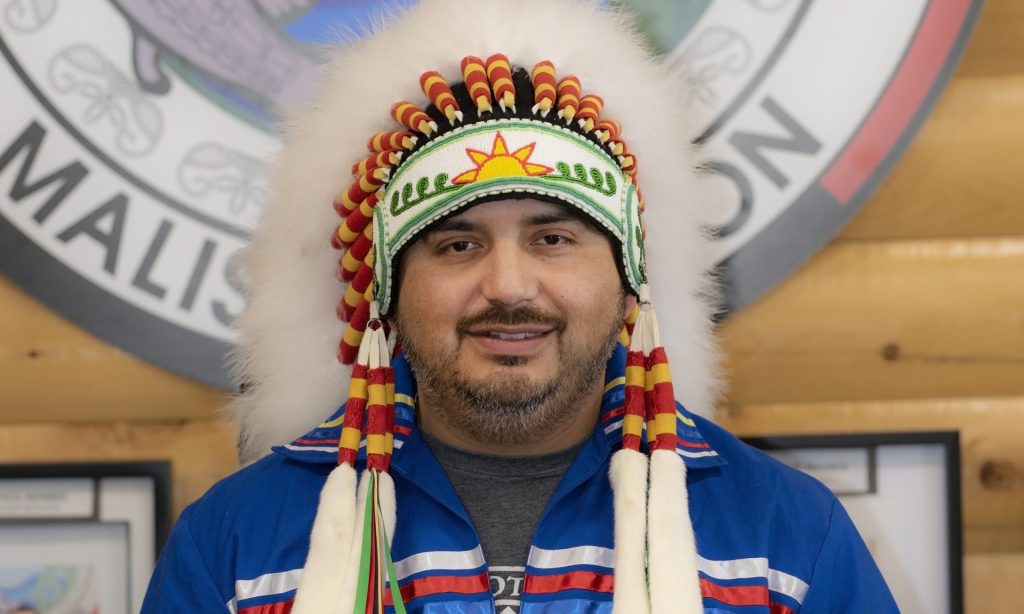
“We have tried to work with the provincial government in good faith to establish a robust process which protects our Rights and involves our communities,” said Chief Ross Perley of Neqotkuk, also called Tobique First Nation, in the statement.
“The Province appears focused on prioritizing timelines over thoughtful consideration and genuine Wolastoqey involvement,” he said.
The moratorium has been in place since 2014. At the time, the Liberal government of Brian Gallant said it wouldn’t be lifted until several conditions were met, including consultations with First Nations.
In 2019, Conservative Premier Blaine Higgs carved out an exemption to allow for some new fracking near Sussex, and there has been pressure from the political right for further shale gas development since then.
Before coming to power in 2024, Liberal Premier Susan Holt criticized Higgs for pursuing shale gas fracking, calling it “yesterday’s energy solution.”
The Liberal Party of New Brunswick also passed a non-binding resolution in February 2024 calling for a “permanent moratorium on the exploration and exploitation of shale gas in New Brunswick.”
Still, the Holt government announced in August that it would review the moratorium due to changing economic conditions linked to U.S. President Donald Trump’s trade war, with a decision expected in January.
On Thursday, WNNB said that immediately after the review was announced, the group began negotiations with the province “on a process for Wolastoqey participation respectful of established Rights and interests.”
Negotiators with WNNB are dissatisfied with a number of factors, including the government’s “overall decision-making timelines and governance structures,” but the province has continued its consultation process without them, according to the statement.
“The provincial government has left us no choice but to oppose lifting the moratorium on natural gas
exploration in New Brunswick. Our communities must be consulted on the scope of the review,
environmental impacts and potential economic benefits,” Perley said.
“Proper community consultation includes building in the time to ensure that consultation can be meaningful,” he said. “New Brunswick already has an exemption area it can review and explore without lifting the moratorium.”
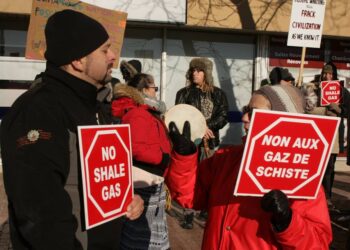
He also alluded to the Indigenous-led movement against shale gas exploration that led to the moratorium.
“Given the nature of why the moratorium is in place to begin with, moving forward without Indigenous community support will not be good for any current or future partnership,” Perley said.
Elsipogtog First Nation — the community at the centre of the movement against shale gas exploration that culminated in October 2013, when police raided an anti-fracking camp near Rexton — previously cautioned the provincial government that dialogue with First Nations “must not be represented as support, acceptance or consent.”
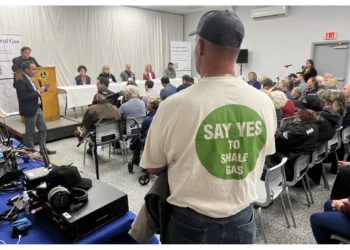
The moratorium review has attracted controversy more generally, in part for a survey that critics have said shows “bias in favour of lifting the moratorium.”
Holt’s Liberal Party committed in its 2024 election platform to rebuild relationships with First Nations, which deteriorated under the Higgs government.
The Office of the Premier didn’t immediately respond to a request for comment on Thursday afternoon.
David Gordon Koch is a staff reporter with the NB Media Co-op. This reporting has been made possible in part by the Government of Canada, via the Local Journalism Initiative.