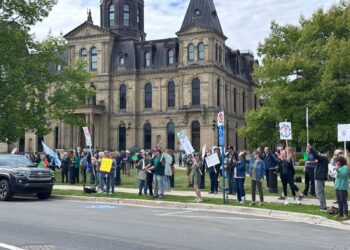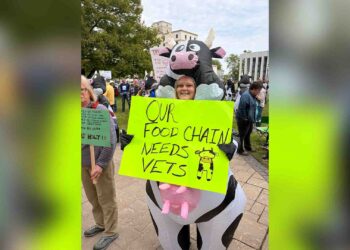
Last week, the provincial government announced the 2026-27 budget, which includes the shocking statement that the government of New Brunswick will be “discontinuing provincial field veterinary services, which will be handed off to the private sector, as well as provincial veterinary lab and foreign animal disease lab services.” The intention is that these services will be phased out over the next three fiscal years – more specifically, that all animal veterinary services will end in one year, and laboratory services will end in 2028.
This decision has shaken the entire agricultural community, not just because there was no consultation with the sector ahead of the budget, but also because this is an incredibly short-sighted and ill-considered decision.
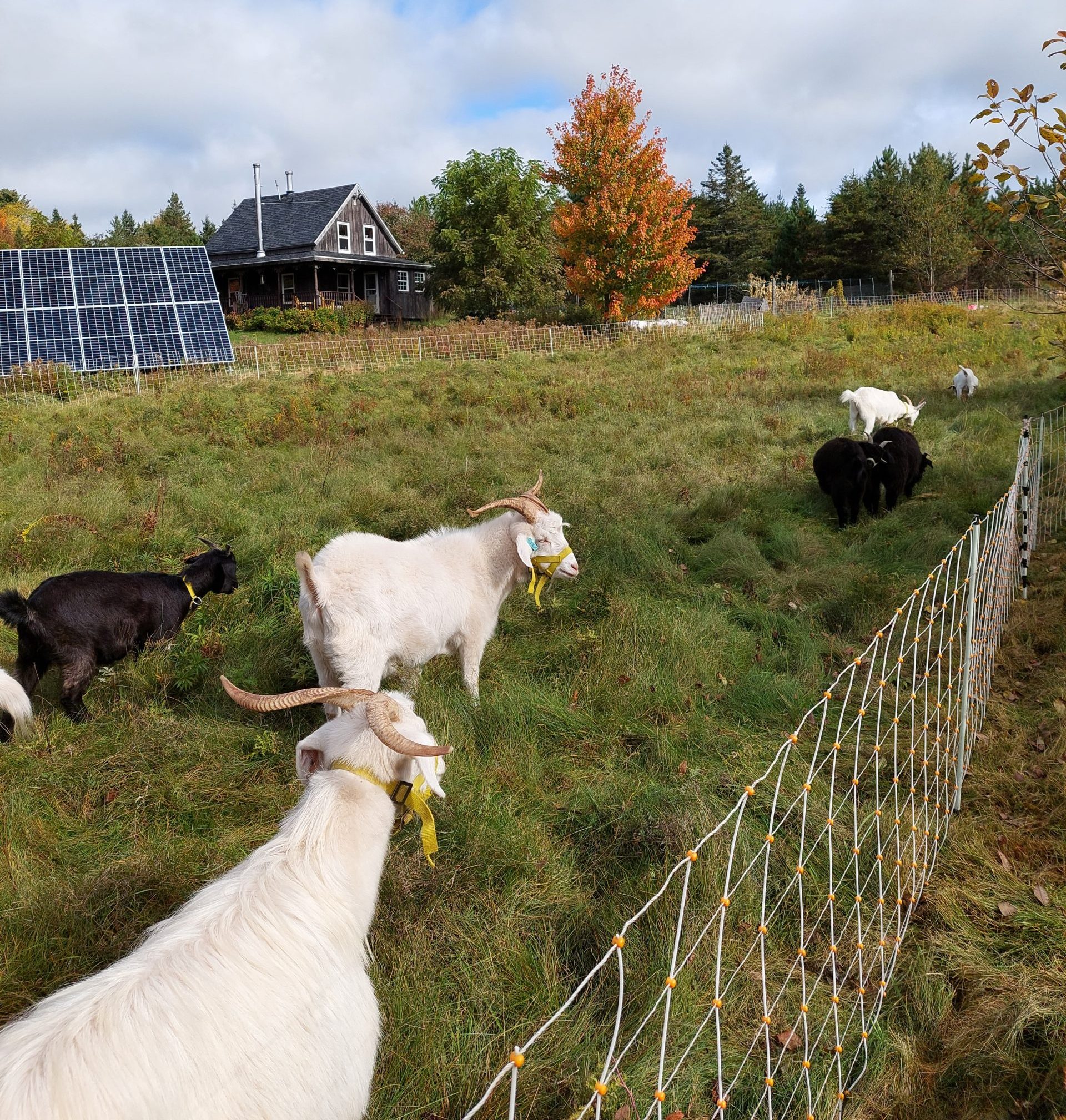
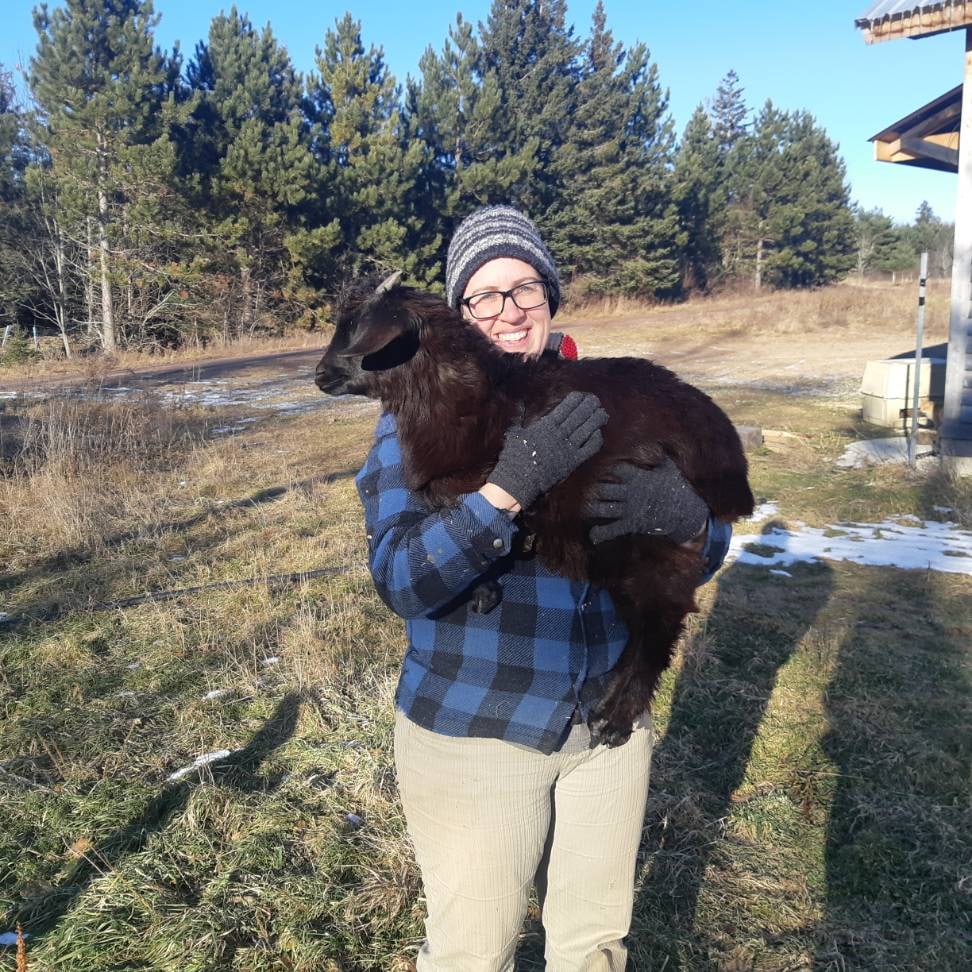
As a bit of background, my partner and I own a registered farm near Sussex, and we raise a small commercial herd of goats for fibre. We also raise a few animals every year to provide ourselves and two other families with meat. We are members of the provincial program and we make use of the veterinarians and lab services two or three times per year. We make use of these services almost entirely for herd health maintenance and for disease prevention, through having annual herd health checks, consulting with the vets on routine disease prevention and parasite management, and for annual fecal parasite tests. We have also used the farm vets in cases of emergencies – fortunately, that has been a rare occurrence, principally because we have been able to access good preventative care and advice from the farm vets.
There is already substantive evidence that points to privatizing farm veterinary services as a recipe for disaster. First, there is an abundance of evidence from the human health care sector that privatization leads to increased costs and decreased quality of care. Second, there is a widespread and well-documented phenomenon occurring across Canada of major corporations buying up independent veterinary clinics and prices skyrocketing as a result. If GNB persists in canceling provincial, publicly-funded farm veterinary services and forcing their privatization, farmers and their animals will all suffer.
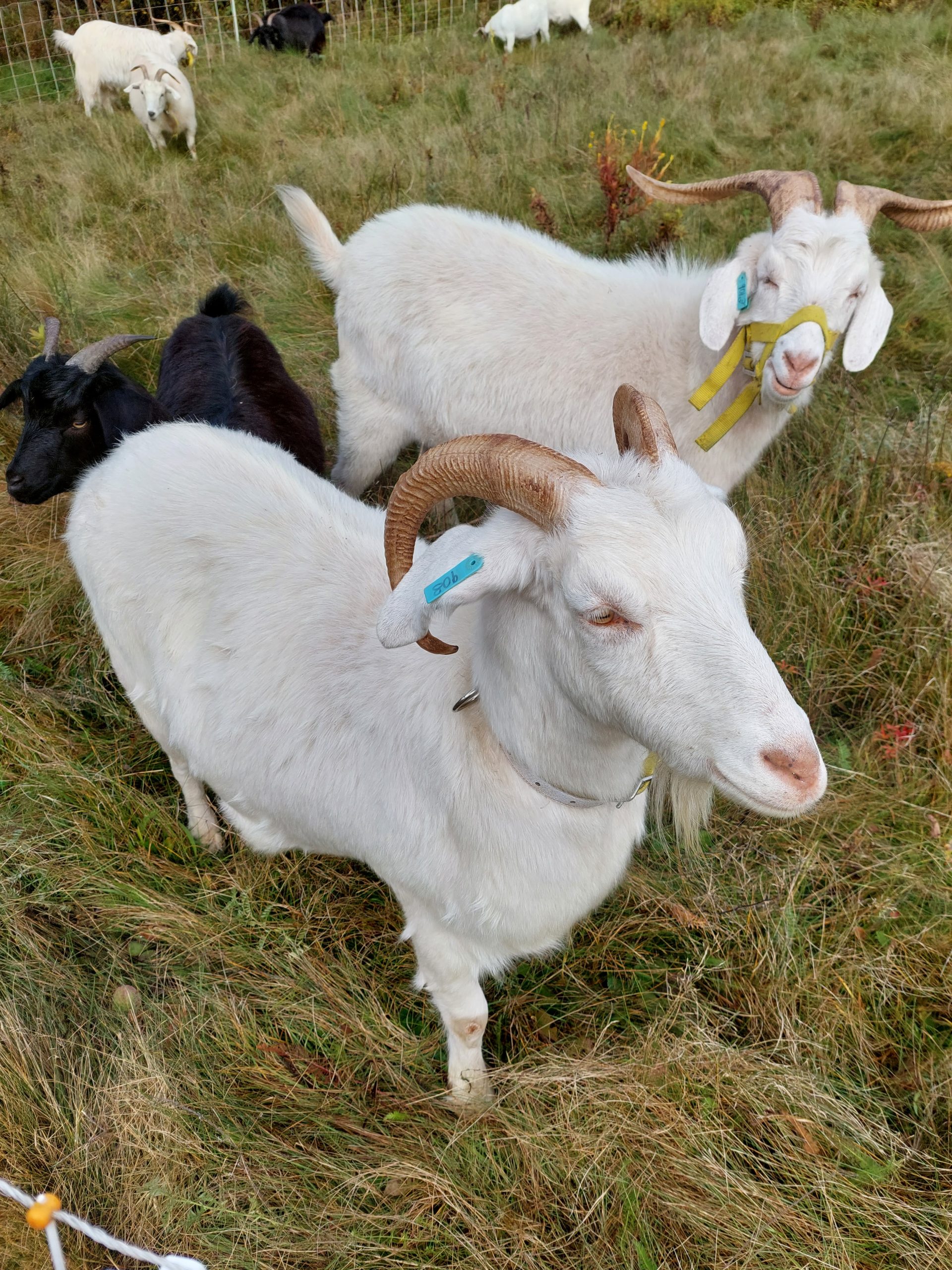
Farmers, especially those who own small to medium-sized farms, are chronically in a financially precarious position. Farmers are faced with countless and mounting pressures, such as rising costs of fuel, legacies from the COVID-19 pandemic, droughts, floods, and other climate-related disasters – all of which cost money and cause untold stress. One of the great stressors for farmers is having sick or injured animals and being powerless, or too financially constrained, to care properly for those animals. Sick and dying animals are bad for farm business, as well as being stressful for the farmer, because sick or injured animals draw down on resources instead of contributing to farm income. Being forced to euthanize a sick or injured animal can be emotionally and economically damaging and this is made worse when private companies’ profits are the barrier to the well-being of your animals and your farm.
When I represented these arguments in a letter to Premier Susan Holt and Agriculture Minister Pat Finnegan last week, I received an unsatisfying response, which included the statement that “New Brunswick is one of the last two provinces still operating government-funded veterinary services. 73 per cent of provincial veterinary services are being provided to horses and hobby farms and exotic animals, with only 27 per cent of their service focused on commercial livestock such as dairy and beef.”
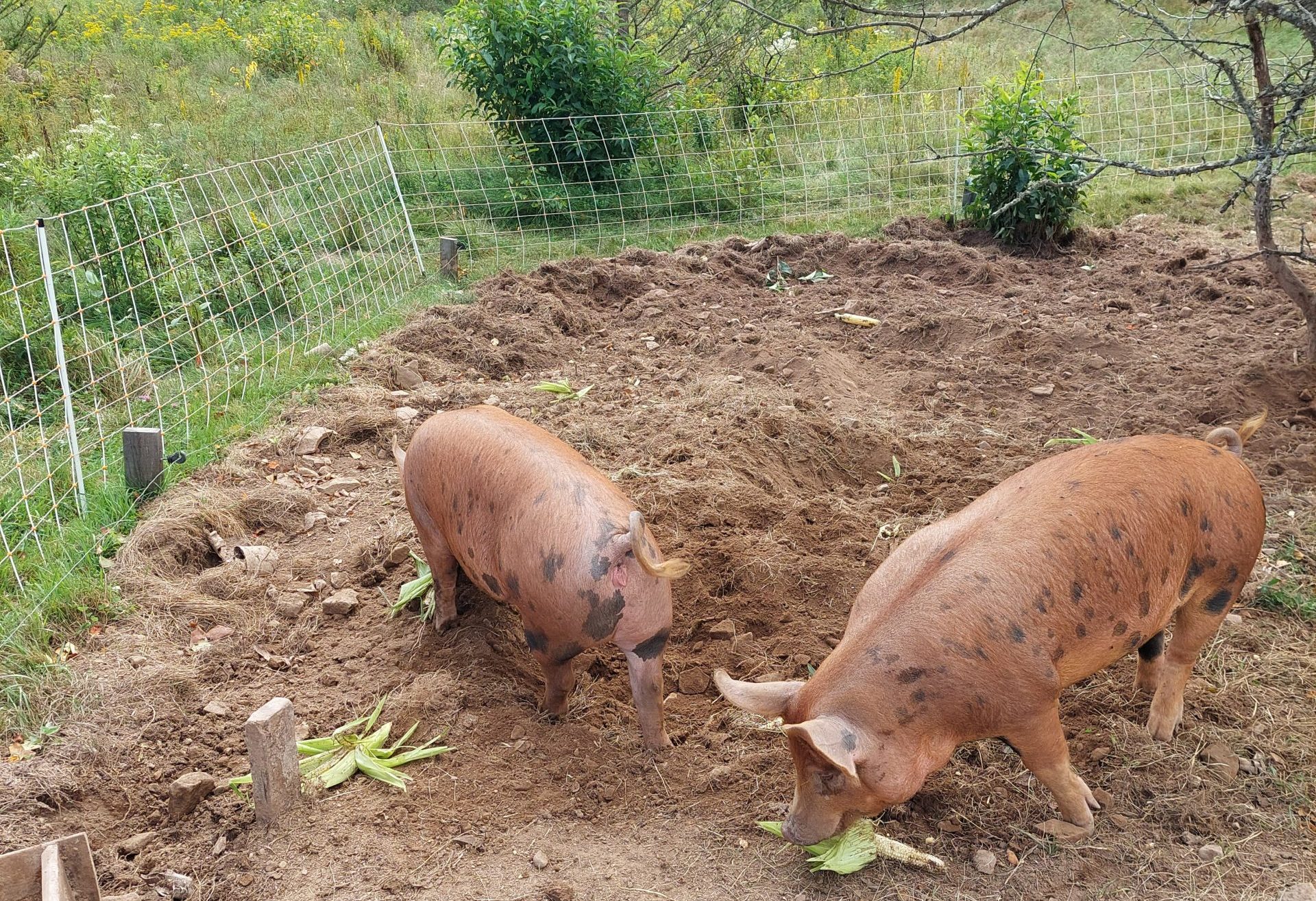
This argument completely ignores all of the rural people in the province who keep a couple of goats for milk, or who raise a couple of pigs or a backyard steer for meat. These are people who wouldn’t qualify as having “commercial livestock”, and so would fall into that grouping of people responsible for using 73 per cent of services. So, the bulk of vet services are accessed by people who have a small number of animals and many of whom are engaging in growing their own food. This directly supports food sovereignty in the province, and reduces our reliance on food from other provinces and countries. Food sovereignty and rural resilience is exactly what the provincial government should be supporting.
This argument also makes it sound like farmers – be they hobby, for small-scale meat, or commercial livestock – don’t pay for veterinary and laboratory services. We do. The government of New Brunswick provides the administrative and technical infrastructure to house these services, but every time I call my local farm vet, I pay no small amount for the privilege of having them come to the farm. I pay for all laboratory analyses. I pay for medications – and these are only accessible to me if I have already engaged with my vet.
I support the farm vets that are being placed in this precarious and stressful position – it is no small thing to dump highly-trained professionals like our vets into the private workforce. Running a business is hard, and many fail. We already have a shortage of large-animal vets in the province, and fewer graduates are specializing in large animal practice. The promise from the government of New Brunswick is that the province will provide support to our vets in transitioning them to private practice, which is a) going to be costly itself, to do it right and in such a short period of time and b) no guarantee that the vets here will want to continue in private practice. We risk, therefore, losing the large animal vets that we do currently have, to say nothing of losing the really important laboratory services and body of expertise that exists in those lab staff.
One last note – my response from the Premier says, “New Brunswick is one of the last two provinces still operating government-funded veterinary services” as though this is somehow to our detriment. This is to our credit – other provinces should be looking to us as a model for rural resilience, not the other way around.
Privatizing these important services will result in them becoming less available, less comprehensive, and more expensive. There is ample evidence that this is what happens when you privatize services – private companies are designed for profit, not for the good of people (and animals).
Megan de Graaf is a forest ecologist and farm and forest holder near Sussex, NB.