![Petition calls for police to contact Indigenous crisis teams to avoid deadly shootings [video]](https://nbmediacoop.org/wp-content/uploads/2024/10/QTsbpAyiMRhrFcT-800x450-noPad.jpg)
Steven “Iggy” Dedam of Elsipogtog First Nation was in a good mood on the morning of Sept. 8, 2024, when a close relative ran into him by chance. They chatted briefly. Dedam was waiting for a ride.
“He was his regular self, joking around,” said the relative, who asked to remain anonymous because of concerns about his employer. “Mood can change quickly,” he added.
Later, shortly before midnight, two RCMP officers entered Dedam’s home responding to a report of a “suicidal male with a knife.” Minutes later, Dedam was fatally wounded after police shot him three times in the chest and abdomen. His death shook Elsipogtog and other Indigenous communities.
The Serious Incident Response Team launched its investigation in Elsipogtog, located an hour north of Moncton, the following day.
SIRT, the watchdog agency that investigates cases such as police shootings in New Brunswick and Nova Scotia, published a report in April 2025 that cleared the police of wrongdoing.
Its investigators include seven former and seconded police officers who answer to a civilian director.
The report summarized multiple witness accounts, including that of a civilian identified as Dedam’s girlfriend.
She described how his mood changed after she picked him up from a round of golf, according to the report. At the time, he was “happy and jolly.” Later, after some drinks with friends in the shed, she found him crying, but he wouldn’t say why. Then she heard him arguing on the phone.

She soon received a text message saying that Dedam wanted to kill himself, and called 911 after taking away a carpenter’s blade that he held. She spoke on the phone with paramedics, but it was the RCMP who arrived instead, according to the witness account.
The whole encounter unfolded in just two minutes: the RCMP arrived on-scene at 11:23 p.m. They reported “shots fired” in a radio transmission at 11:25 p.m.
The SIRT report stated that Dedam threw a hatchet “forcefully” towards the Mounties, who were standing in front of some other people in the home.
He was preparing to throw another one when police Tasered him and then opened fire, according to the report.
The report stated that that account is consistent with video footage and witness accounts, although at least one witness cited by SIRT disputed the claim that he threw the hatchet with force.
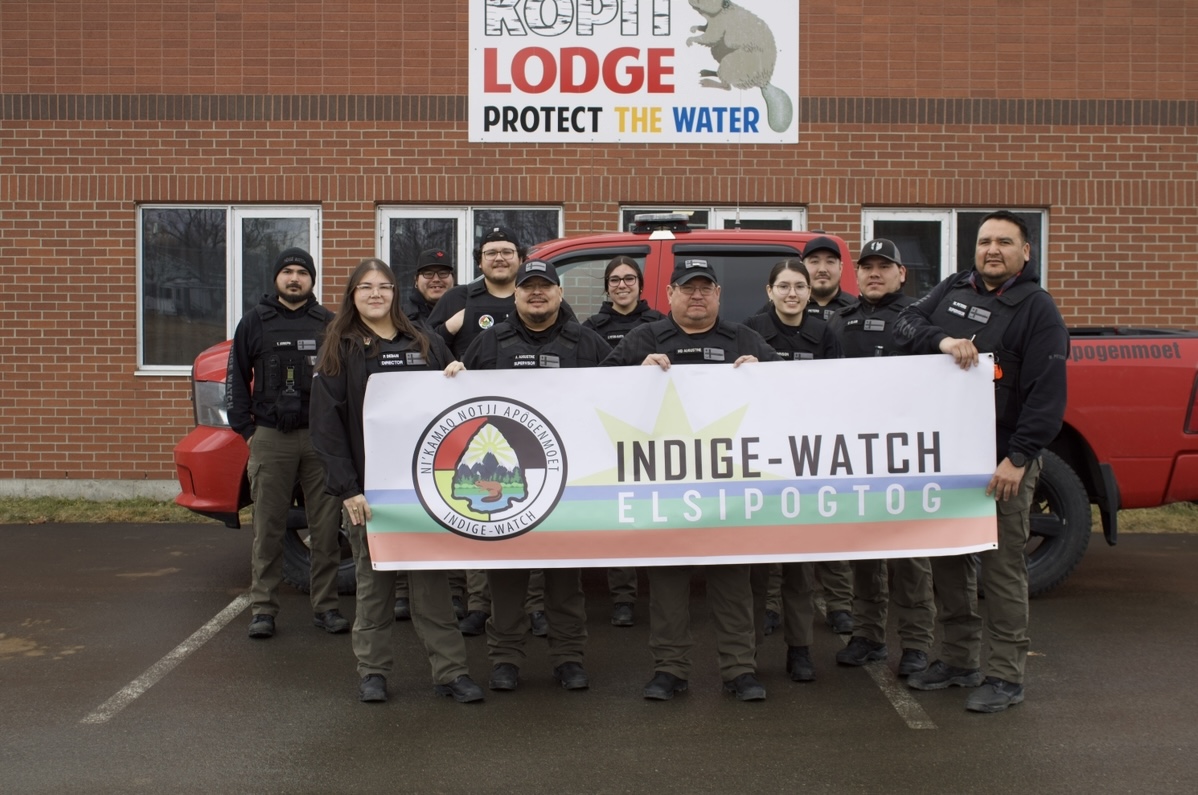
The report noted that “multiple witnesses” referenced Indige-Watch during SIRT’s investigation. Indige-Watch is the local peacekeeping unit in Elsipogtog, which is the largest Indigenous community in New Brunswick.
Founded by Kopit Lodge, a non-profit based in the community, it’s intended to de-escalate crisis situations and was founded in response to previous deadly police shootings in New Brunswick. The five-year pilot project reached the end of its federal funding at the end of March and is now seeking new sources of financial support.
During the SIRT investigation, “Indige-Watch was referenced by multiple witnesses,” the report stated. One is quoted saying that “the RCMP is supposed to use Indige-Watch for calls like these.”
Many observers argued that a timely intervention by an Indigenous person trained in de-escalation could have calmed the situation, effectively saving the life of Dedam, 34, a beloved community member who was a father of seven and the captain of his own fishing boat.
However, the SIRT investigation appeared to dismiss the notion that Indige-Watch would have a role in any crisis situation involving someone who is armed.
“Conversations with the current and former Directors indicate that Indige-Watch would not respond to a call like the situation in question when a person has a weapon,” the report stated in a brief section discussing Indige-Watch and its role in the Mi’kmaw community.
However, the only two people to have served as director of Indige-Watch say that’s not true. In response to queries from the NB Media Co-op, SIRT director Erin Nauss said she is “truly sorry to have made anyone feel as though their words were not captured correctly.” The source of confusion remains unclear.
The two Indige-Watch directors are speaking out at a time when SIRT is investigating the latest police shootings to claim the lives of Indigenous men in the region.
Bronson Paul of Neqotkuk First Nation and Darrell Augustine of Sipekne’katik First Nation were fatally shot within a few days of each other in January.
“There definitely needs to be proactive change in regards to the policing of First Nations,” Dedam’s relative said. “Whatever is happening right now isn’t working.”
He believes that Indige-Watch would have been able to defuse the situation that night. He said Dedam would sometimes throw things when he was frustrated, which might explain why he threw the hatchet.
“I wish they would have been there, because anybody in this community that knows Iggy knows that he wouldn’t mean anybody any kind of harm.”

‘My team does not stand down’
Patrice Dedam, the current head of Indige-Watch, said the description of her team contained in the SIRT report doesn’t reflect what she told an investigator in the wake of the shooting.
“I don’t even think that those words came out of my mouth, it’s just the way that they interpreted it,” she said in an interview with the NB Media Co-op.
“My team does not stand down” if someone has a weapon, she said. In that kind of situation, the unarmed, uniformed personnel would cooperate with their first responder counterparts such as police.
Iggy Dedam was her first cousin and, in a tragic twist of fate, the shooting occurred the night before she took over the position of director.
She was in a ceremony at the time of the shooting and didn’t learn what had happened until about 3 a.m. “I look at my phone and all I see was Iggy was shot by the RCMP.”
It was a traumatic experience, which now seems like a blur for the frontline worker-turned-director. “It was a lot to deal with, especially trying to adjust into my new role.”
A closed-door interview with a SIRT investigator took place soon after the shooting, she recalled. “They interviewed me, I think, that week or the next week,” she recalled. “My mind was everywhere. We had just had the funeral.”
Patrice Dedam said the investigator asked her leading questions. “They worded the questions in a way in which it would benefit them [the police],” she said. She added that she felt “interrogated” and “didn’t feel understood in that SIRT interview at all.”
Deadly pattern
The story of Iggy Dedam’s death has eerie similarities to several other police shootings.
Jeremy Son — the Edmundston police officer who shot Chantel Moore, 26, during a late-night wellness check in June 2020 — maintained that she brandished a knife and approached him before he opened fire on the balcony of her apartment building.
Eight days later, Rodney Levi, 48, was shot by a member of the RCMP outside the home of his pastor near Metepenagiag Mi’kmaq Nation. Witnesses said Levi refused to drop two large knives before police Tasered and then shot him.
In January, Bronson Paul, 40, of Neqotkuk, was shot and killed by police in his home. The RCMP stated that “as the situation quickly evolved, a man armed with an edged weapon advanced towards members.” He was then Tasered and shot.
At the time, Neqotkuk Chief Ross Perley said that members of local tribal security would normally accompany RCMP, helping to de-escalate incidents on-reserve, but that didn’t happen.
In Nova Scotia, Darrell Augustine of Sipekne’katik First Nation was also shot to death by RCMP in January. Preliminary information from SIRT stated that a man was “reported as having a firearm and threatening others before leaving in a car.” Police deflated his tires with a spike belt and “nonlethal options were attempted” before RCMP opened fire.
Given that kind of context, it doesn’t make sense that Indige-Watch would be restricted to calls involving unarmed people, Patrice Dedam said. “It’s like we’re kind of just running in a circle.”
Volatile situations
Sheneeka Millier, the founding director of Indige-Watch, was already in Cape Breton, where she now lives in the Mi’kmaw community of We’koqma’q, when she learned that her cousin Iggy Dedam had been killed.
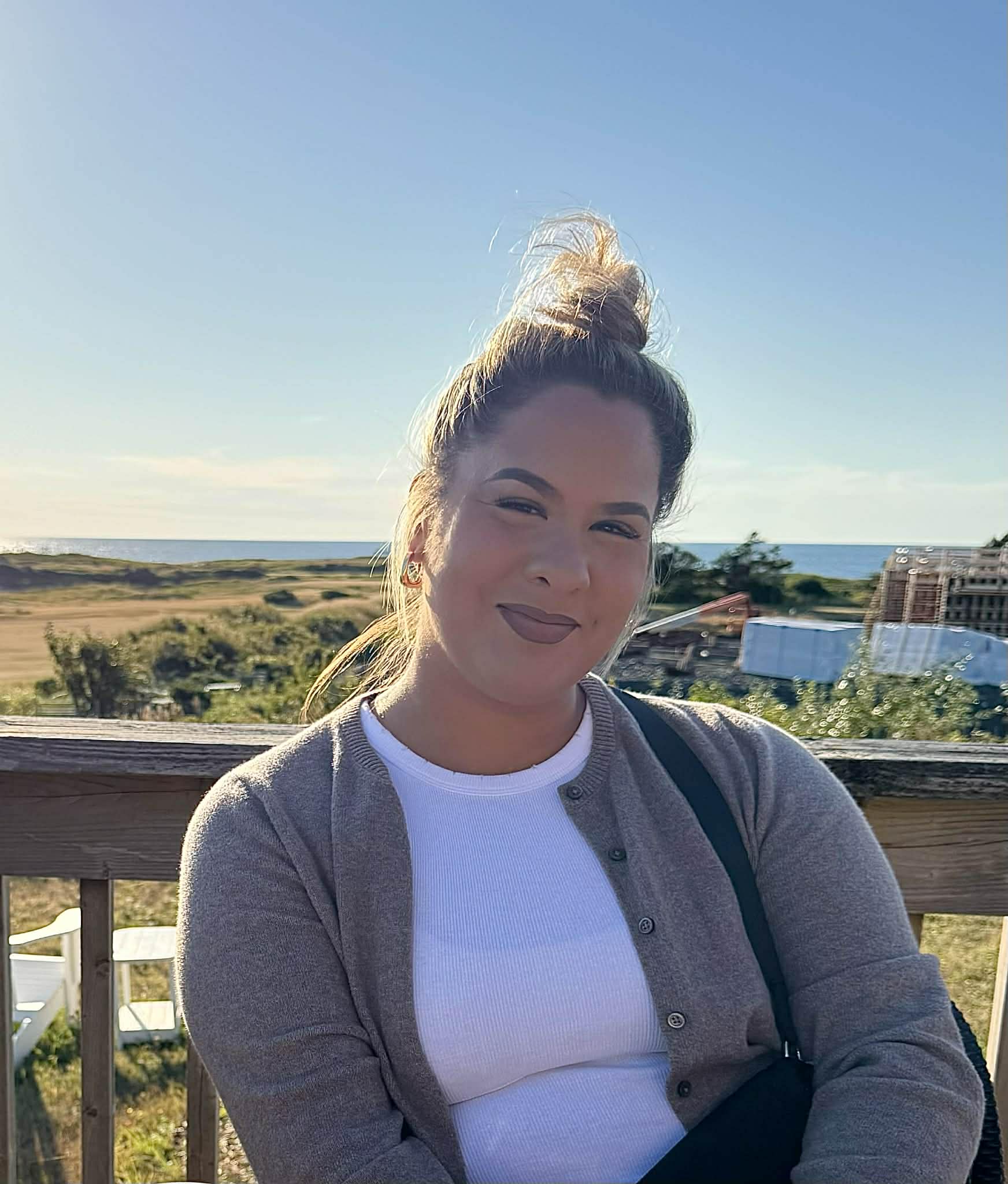
Millier had just left her job as director of Indige-Watch. In the days following the shooting, she spoke to a SIRT investigator, she said, but she wouldn’t have stated that Indige-Watch had any policy against calls involving a weapon.
“I wouldn’t have said anything like that to SIRT,” she told the NB Media Co-op.
“When Indige-Watch goes in to assist with RCMP or if we were on-scene first, we would assess the environment and the type of call that came in. There are always risks when dealing with mental health/wellness checks. That’s where our training kicked it.”
If it’s a police matter they would step back but would stay on scene as needed, she added.
Indige-Watch has dealt with a number of volatile situations, and many people in the community own hunting rifles, carving knives, and other items that could be considered weapons, both women said.
Training for frontline Indige-Watch members includes a five-week program at the Atlantic Police Academy in P.E.I., along with courses in various fields such as first aid, suicide prevention, and search-and-rescue.
And although Indige-Watch members are unarmed, their uniforms include ballistic vests, for situations in which they might be working alongside the RCMP, she said. “Anything can obviously go sideways, you just never know.”
In one sense, she can understand why investigators might have misinterpreted the role of Indige-Watch, she said, given that the RCMP “seemed to always be confused about what services we provided.”
She said the police wanted a written mandate that would spell out Indige-Watch’s purpose in detail, which she was working on during her time as director, although she said their role had been communicated to police verbally.
SIRT director responds
A spokesperson said in an email that SIRT was “unable to accommodate” the NB Media Co-op’s request for an interview with the agency’s director, Erin Nauss.
However, the agency provided emailed statements attributed to Nauss in response to questions. She confirmed that one of her investigators spoke with the current and former Indige-Watch directors.
“Based on those conversations it was understood by SIRT that this was not a situation in which Indige-Watch would have attended,” Nauss said in a statement.

Nauss said she doesn’t dispute “anything the Indige-Watch directors wish to clarify about their organization.” She added that she’s “truly sorry to have made anyone feel as though their words were not captured correctly.”
During the investigation, she said, “it was discovered that at the time there was no official agreement between Indige-Watch and the RCMP.”
Nauss said that she reviewed the records and summarized discussions between an investigator and the Indige-Watch directors for her final report.
However, it remains unclear how such a gulf in understanding could exist between professional investigators and the people with whom they spoke.
Nauss didn’t respond directly to questions about whether the publicly available report will be corrected or clarified; whether the story raises concerns about her investigator; or whether he may face discipline.
In her report, Nauss ultimately found that the shooting constituted reasonable force, and concluded that there were “no reasonable grounds to believe that the Subject Officer had committed a criminal offence.”
The failure of RCMP to contact Indige-Watch would have no bearing on her decision to clear the police of wrongdoing, she told the NB Media Co-op.
“I fully understand the perception that calling Indige-Watch could have potentially changed the outcome, and this perspective was considered,” she said.
“However, SIRT’s mandate is narrow and specific to the assessment of the facts and the law to determine whether criminal charges are warranted. This means that while SIRT believes in the important work of Indige-Watch, the timing of the call to Indige-Watch does not impact the decision on charges in this file.”
Nauss, a former solicitor for the Nova Scotia Department of Justice, noted that SIRT’s mandate doesn’t provide her with “the authority to give recommendations and insight into larger issues such as systemic racism and the way policing and other support services are delivered.”
She added: “I do not believe there is anything that undermines the integrity of this SIRT investigation or others.” (You can read the full statements here)
‘He knew what we stood for’
Sheneeka Millier recalled how paramedics once visited the Indige-Watch office to compliment her team after they successfully defused a situation involving an agitated person who’d been awake for two days straight.
Members of the RCMP were also present on that call. Normally that kind of situation would end with an arrest, Millier said. Students who were there on a placement also remarked that the Mounties seemed especially patient at the time, she added.
“Because Indige-Watch was there, it’s almost like everybody was on their best behaviour.”

She questioned why police entered the home of Iggy Dedam without her team. The police officer who pulled the trigger was familiar with Indige-Watch, and had even visited their office, she said.
“He knew what we stood for,” said Millier, a former infantry reservist who completed studies in policing and corrections at Oulton College and the Atlantic Police Academy.
Both the current and former directors said they believe the tragedy could have been prevented if the officers had called Indige-Watch ahead of time. Instead, police only requested assistance after shooting Dedam, to deal with the chaotic scene that ensued.
Both directors emphasized the importance of a friendly face and a calm voice in situations requiring de-escalation. The bonds between Indigenous people — especially those from the same community or who speak the same language — can be crucial in defusing tension, she said.
“Knowing somebody who’s from the community, knowing somebody who’s endured the struggles and knows where we come from, it just automatically puts this calm energy out there,” she said.
“When you’re in distress and you see somebody that you know, you’d rather talk to them than somebody who’s holding a gun under hip,” she said.
Patrice Dedam also stressed that seeing a “Mi’kmaq face, a brown face” can make a major difference, and that knowing the language and the people is crucial.
Both women renewed calls for police to include an Indigenous presence in all crisis situations. “These policies need to be shaped around our people if the RCMP are going to be in our community,” Patrice Dedam said.
Future funding unclear
The fatal police shootings of Rodney Levi and Chantel Moore in 2020 occurred during a summer marked by widespread protest against police brutality and systemic racism, a response to the video-recorded murder of George Floyd, an African-American man, by a white police officer in Minneapolis.

Under the motto “defund the police,” there were calls internationally for the reallocation of massive police budgets to social service providers. In New Brunswick and other parts of Canada, there were demands for mobile crisis units and Indigenous liaisons to attend calls requiring de-escalation.
However, it’s Indige-Watch that now faces a loss of funding.
The program was established as a pilot project with money from Indigenous Services Canada under the Pathways to Safe Indigenous Communities Initiative, but the federal funding dried up at the end of March.
Patrice Dedam said that interim funding will keep the service afloat for at least another 10 months or so, but Indige-Watch needs a long-term solution.
The five-year pilot began in 2022. The first year involved hiring, training, and purchasing equipment, with the first boots on the ground in May 2023. By the time the program was going strong in 2024, there were just two years left.
In response to a query from the NB Media Co-op in March, a spokesperson for Indigenous Services said that “no decisions have been made regarding funding beyond the current agreement period.”
The statement added that Indigenous Services is “working with First Nations partners and to assess community needs and available resources as part of ongoing funding considerations.”
The latest federal budget was marked by deep cuts, and Indigenous Services is slated to find two per cent in spending reductions, or roughly $494 million annually.

At the same time, demand for Indige-Watch services have increased.
Patrice Dedam said her staff currently includes eight full-time field members, two supervisors, and an administrative assistant.
Their coverage area includes not only the Elsipogtog reserve, but the wider region known as Sikniktuk, which encompasses the southeastern corner of the province, or roughly one-third of New Brunswick.
Her current personnel allows Indige-Watch to offer services between 8 a.m. and 6 p.m. and then from 8 p.m. to 6 a.m., with two hours gaps between the shifts.
“I really wish I could cover 24/7,” she said. But that would require more staff, which in turn requires more funding. “I need more members to avoid the burnout.”
Ideally, she would like to double the funding, not only to expand but also to restore services they used to offer. For example, Indige-Watch formerly provided transport for people involved in the justice system.
“If anybody in Elsi needed a ride to Moncton for court, we could assist them,” she said. She had to halt that service because it was too time-consuming.
“If I have my team up there for half of the day and an emergency erupts in the community with the RCMP or anybody else, then we wouldn’t be able to attend. ”
Indige-Watch still offers some transport services. For example, in situations that aren’t considered urgent by emergency services, Indige-Watch can drive people to and from the hospital.
Otherwise, community members may risk hitchhiking — not uncommon on New Brunswick Route 116, the road to Elsipogtog — putting them at risk of becoming another missing or murdered statistic.
The decision to provide transport services was prompted by the unsolved hit-and-run that killed 22-year-old Brady Francis of Elsipogtog. “He was my best friend,” Patrice Dedam said.
Improved relationship with RCMP
Sheneeka Millier, the founding director, said that originally the RCMP didn’t seem to take Indige-Watch seriously. “I feel like a lot of the calls, they did not include Indige-Watch and then we’d hear about it after.”
When the service was starting out, meetings would take place every two or three months between Indige-Watch and directors of the various local band departments to compare notes. The RCMP would rarely attend, she said.
Now things are starting to change, according to Patrice Dedam.
“Right at the beginning, we didn’t really have a relationship with the RCMP, but it has slowly established,” she said. “And now the relationship is strengthening. It needs more strength. But we’re doing the best that we can right now.”
In the wake of January’s fatal police shooting of Bronson Paul in Neqotkuk — a Wolastoquey community located on the other side of the province — Elsipogtog’s chief and council issued a statement calling on the local RCMP to work closely with Indige-Watch “on every call responded to under the Elsipogtog schedule.”
The statement said: “This request is being discussed directly with the Elsipogtog RCMP Sergeant to ensure clarity, accountability and proper protocol when responding in our community.”
The new sergeant at the Elsipogtog RCMP detachment has been cooperative, Patrice Dedam said.
In February, Indige-Watch received 39 calls from the Mounties, the highest number since she starting tracking those statistics when she became director, the day after police shot Iggy Dedam. February saw 123 calls overall, including from the general public. The highest number on record was 142 in July 2024.
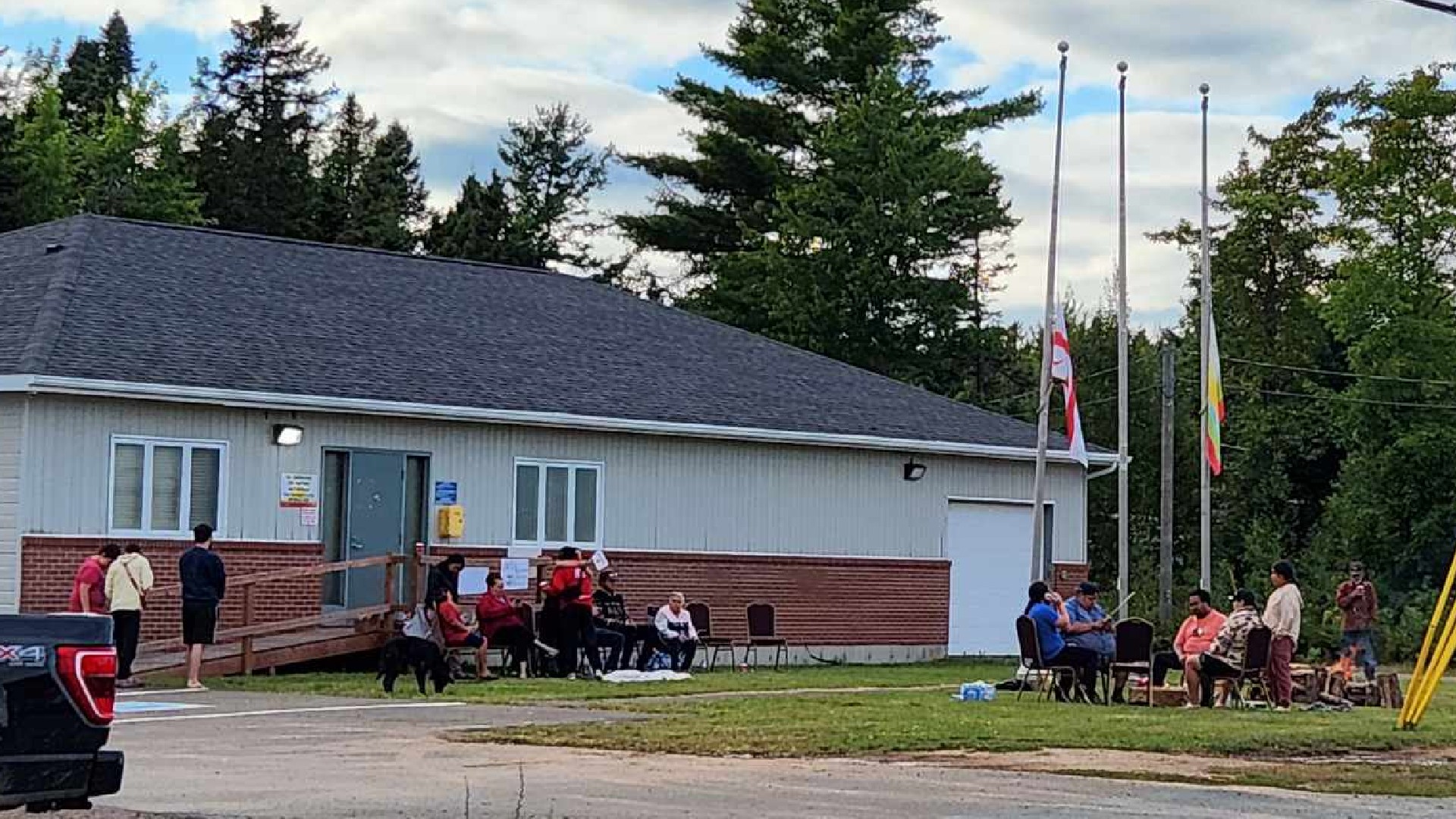
As she deals with crisis in the community, she said it’s important to “keep our culture close” and to remain hopeful. “It doesn’t happen overnight. And that’s what I keep reminding myself.”
The New Brunswick RCMP declined an interview request for this story but provided a statement.
“We fully support and encourage community led security programs where legislation and standards permit,” Cpl. Hans Ouellette in a statement.
“We are happy to include them in our work when it is safe and appropriate to do so,” he added. “Community led security programs have valuable insight and understanding, and are an asset to increasing public safety with the right framework and engagement.”
RCMP referred further questions about relevant legislation and standards to the provincial Department of Justice and Public Safety.
A spokesperson for that department stated that because “community led security officers” aren’t defined in the Police Act, “no standards or policies apply to govern such collaborations.”
The government spokesperson continued: “That said, at a local level, police are having these conversations with [band] councils and establishing links with these programs.”
“Under Community Tripartite Agreements, councils have direct discussions with their local police regarding community services in place and, within their respective authorities, work collaboratively with these groups.”
New peacekeeping business
Since leaving Elsipogtog, Sheneeka Millier has launched a business called Unama’ki Wantoqo’tikewinu’k — that’s Mi’kmaq for Cape Breton Peacekeepers.
The startup is in its early stages, but eventually Millier hopes it will serve Mi’kmaw communities throughout Cape Breton and the larger Mi’kma’ki region.
She believes this kind of initiative is crucial to break the cycle of violence and build trust with outside agencies.
She noted high tensions as police raids take place at dispensaries in Indigenous communities that have asserted a treaty right to sell cannabis.
“I don’t want to see my people hurting,” she said.
David Gordon Koch is a journalist with the NB Media Co-op based in Moncton. This reporting has been made possible in part by the Government of Canada, via the Local Journalism Initiative.
![Photo exhibit shows dangers faced by journalists, daily struggle to survive in Gaza Strip [video]](https://nbmediacoop.org/wp-content/uploads/2026/10/RizekExhibitOct222026-15-350x250.jpg)
![Is a Moncton company helping to build jet fighters bombing Gaza? [video]](https://nbmediacoop.org/wp-content/uploads/2024/06/ApexMay192024-350x250.jpg)
![Massive increase in military spending imposed by U.S. with little media pushback [video]](https://nbmediacoop.org/wp-content/uploads/2026/10/AlexCoshSept232026-350x250.jpg)
![Amid push for ‘nation-building projects,’ critics warn of ecological devastation [video]](https://nbmediacoop.org/wp-content/uploads/2026/10/MineBabyMineSept242026-2-350x250.jpg)
![Photo exhibit shows dangers faced by journalists, daily struggle to survive in Gaza Strip [video]](https://nbmediacoop.org/wp-content/uploads/2026/10/RizekExhibitOct222026-15-120x86.jpg)